
15. June 2026
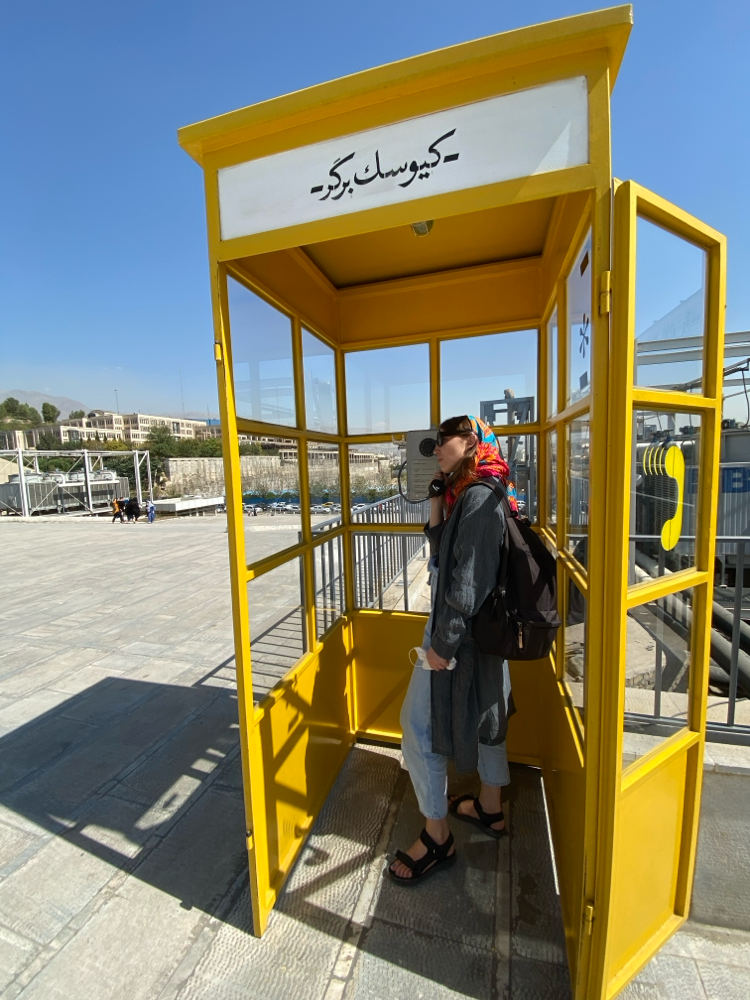
Modern Tehran is a loud giant. It greets travelers with choking smog in the winter, grabs them by the throat with hot air in the summer, and forces them to quicken their pace. It tests everyone who arrives here, demanding an honest answer: do you love it or do you hate it?
02. June 2026
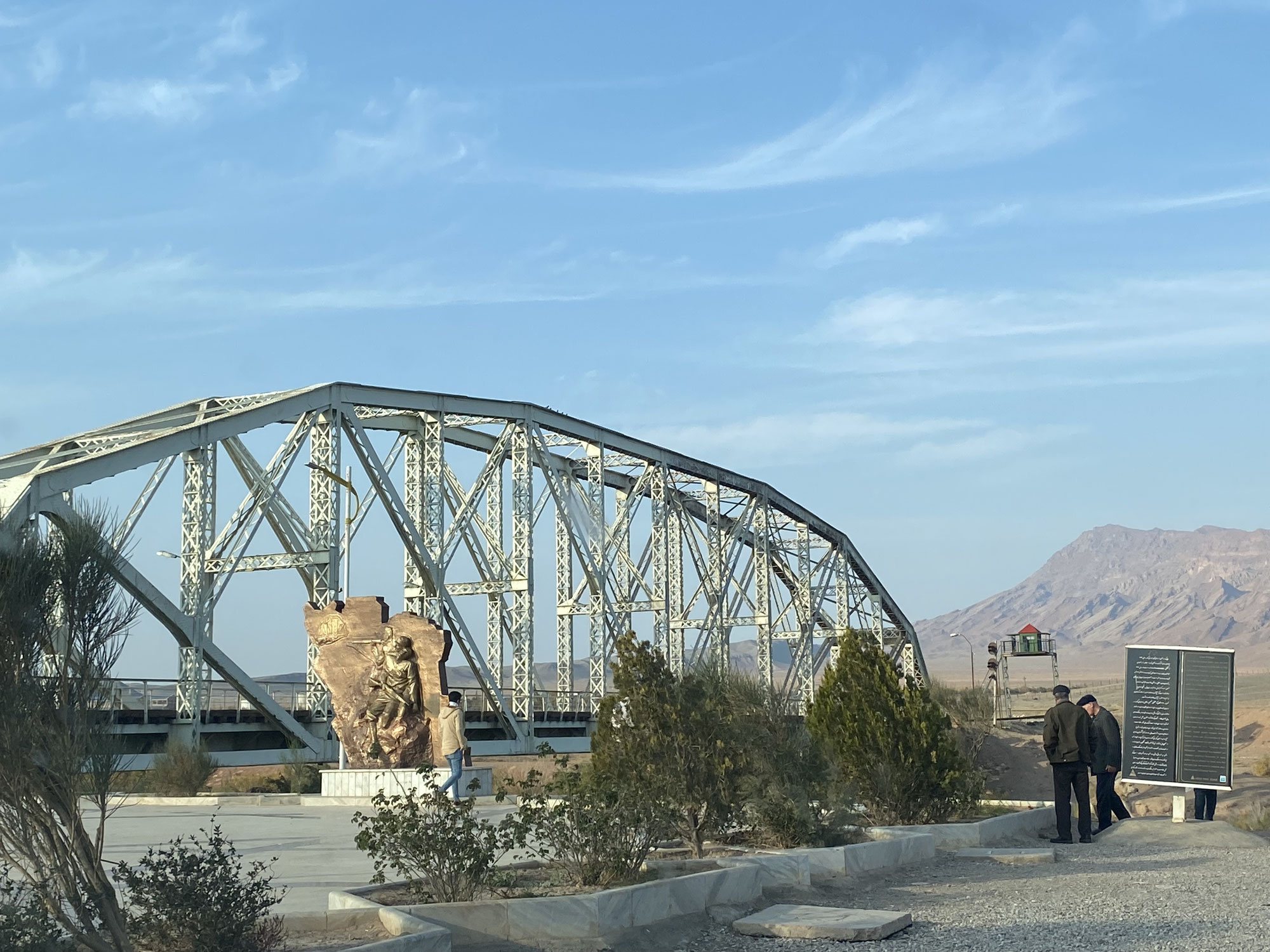
The history of the Trans-Iranian Railway remains shrouded in mystery to this day. During World War II, it held strategic importance for many nations.
28. April 2026
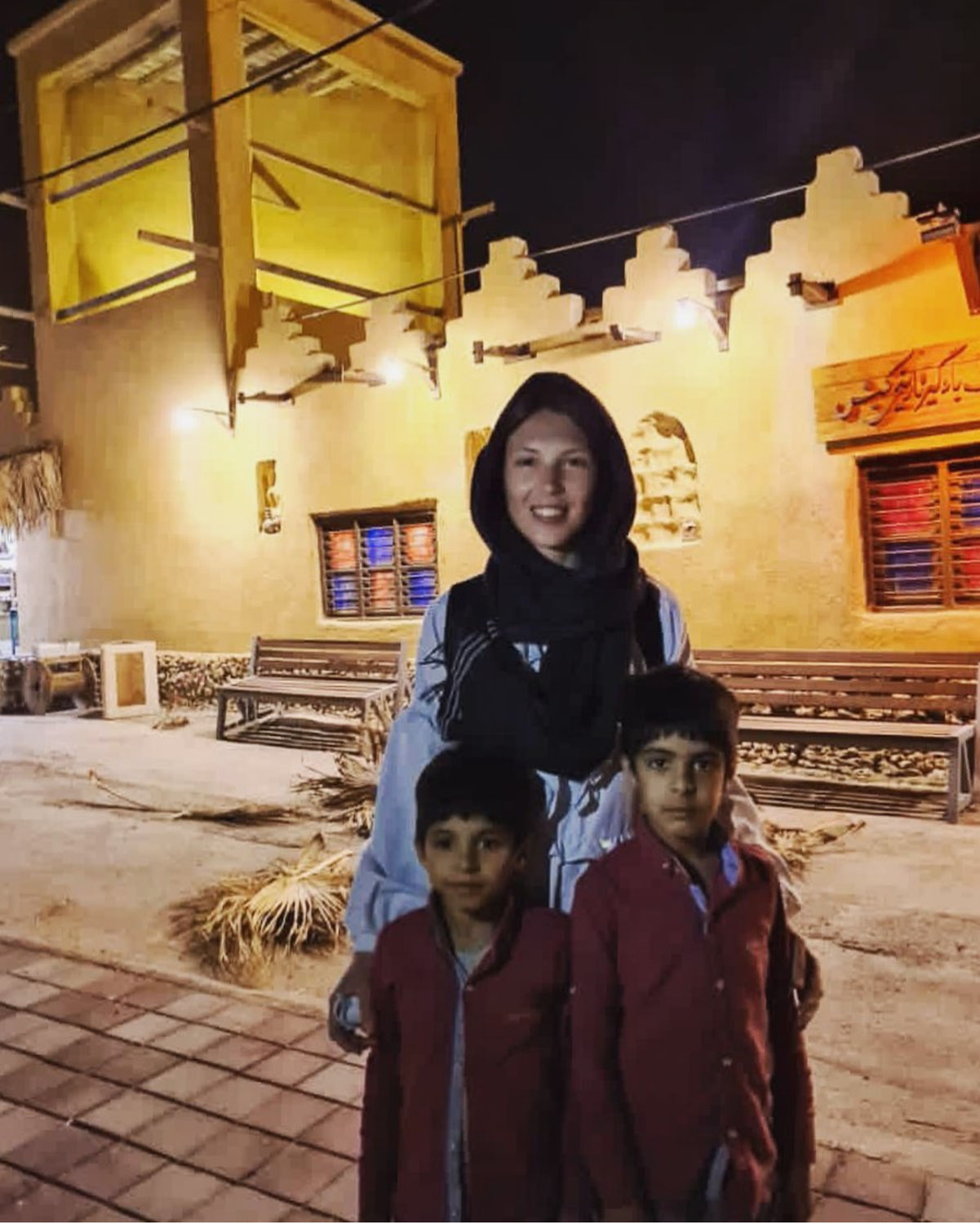
On my knees lay a model of a gifted badgir (a wind tower — an essential element of Eastern architecture). It had been given by a native resident of an old traditional village of Kish, where every detail carried meaning and spoke volumes about the place. Inside, there was a warm sense of fulfilled joy from what I had seen — and a frightening premonition of an approaching large-scale catastrophe…
22. April 2026
Ismail woke up in a hospital. He had been placed in the corridor with a shattered head. Struggling to remember what had happened, he silently began to observe what was going on around him.
13. April 2026
Everything around us glowed in golden-red tones, endlessly stretching under the watchful eye of a giant star called the Sun. A third of Iran’s territory is silent and uninhabited. Vast salt marshes rule here.
After sunset, twilight engulfed us — the red desert slowly faded and disappeared into darkness. We were approaching the city of Nain, still a few hours away from Yazd. We decided to stay there for the night. Another reason was the hotel — very old, built in a traditional style.

25. March 2026
It was winter outside, which meant even heavier smog in Tehran — a suffocating haze that hung over the city and refused to leave. I kept silently scolding myself: these were terrible conditions for a newborn, and we had to get out. So we decided to fly to Kish Island.
This stunning coral island lies in the Persian Gulf, not far from Dubai, and from the airplane window it looks like a pearl resting on the water.
16. March 2026
The mornings in the mountains were always cool, but today a biting wind swept through the peaks. A new day was breaking. For several weeks now, the crew had been stationed at a remote railway stop, laboring over the Veresk Bridge—a structure designed to span the void between two towering cliffs. Nearby, from a neighboring summit, the ruins of an ancient, desolate castle kept a silent watch. Its cold, crumbling silhouette served as a grim reminder of the transience of time.
11. March 2026
Mashhad is the second largest city in Iran and the main producer of Pepsi in the country. Modern, well kept, and sacred to many believers. Its name means “place of martyrdom.” The city is built around religious tourism. Every year millions of pilgrims come here, many traveling the entire distance on foot.
03. March 2026
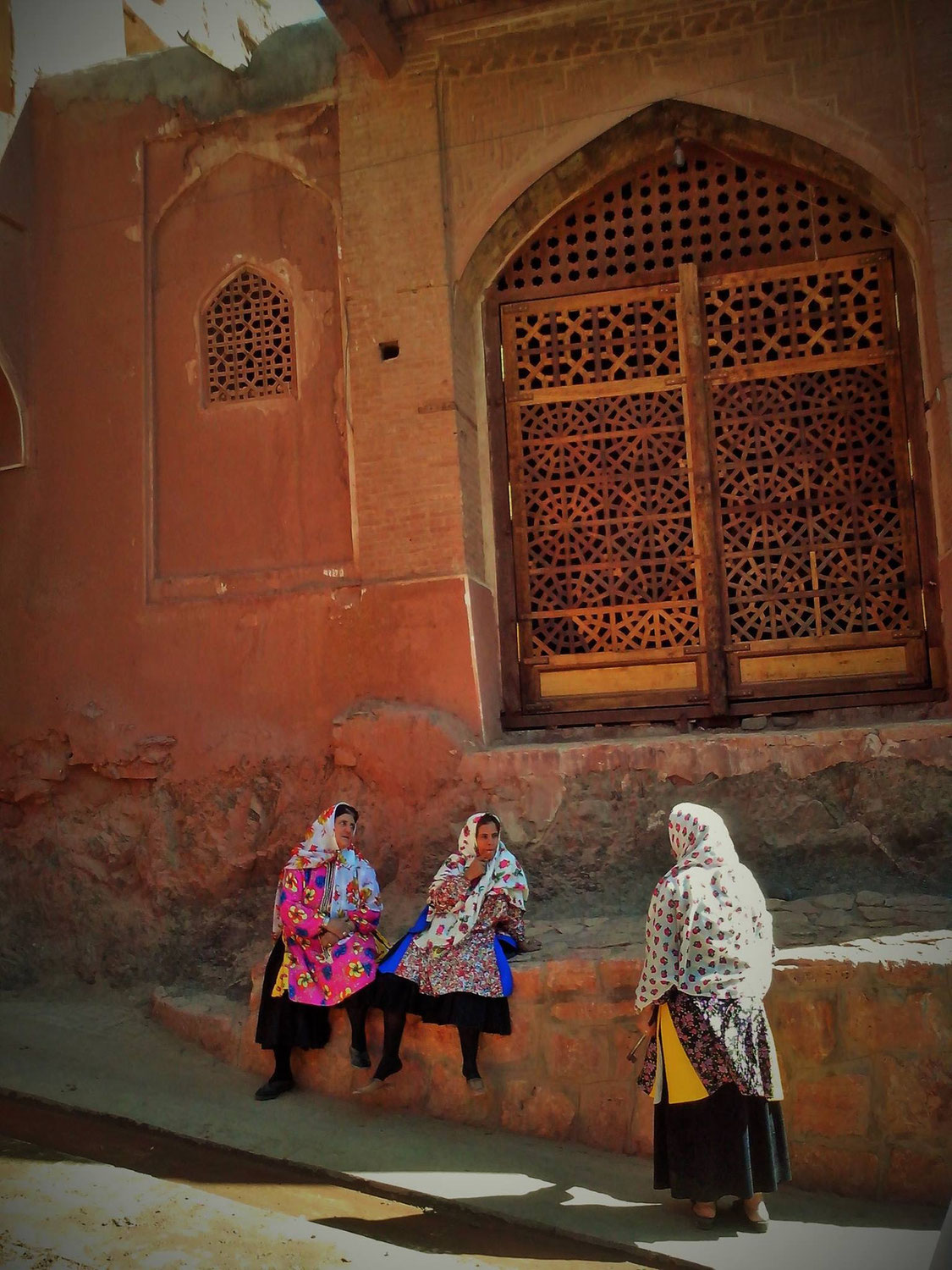
Abyaneh (also known as Viona) is more than a destination; it is a living museum. Its distinctive red hue comes from the high iron oxide content in the local soil, which the villagers have used for centuries to build their stepped, mud-brick homes.
11. February 2026
The road eventually delivers us to the silent plains of Pasargadae and the tomb of Cyrus the Great. Or, as any local would pointedly correct you, Kurush. In Iran, "Cyrus" is a Hellenized ghost; to the people here, he remains Kurush—a name synonymous with the sun. Shrouded in the mythos of a royal heir raised by shepherds to escape a death sentence, Kurush’s ascent was more than a conquest; it was a social revolution.