
11. February 2026
The road eventually delivers us to the silent plains of Pasargadae and the tomb of Cyrus the Great. Or, as any local would pointedly correct you, Kurush. In Iran, "Cyrus" is a Hellenized ghost; to the people here, he remains Kurush—a name synonymous with the sun. Shrouded in the mythos of a royal heir raised by shepherds to escape a death sentence, Kurush’s ascent was more than a conquest; it was a social revolution.
cultural guides · 18. January 2026
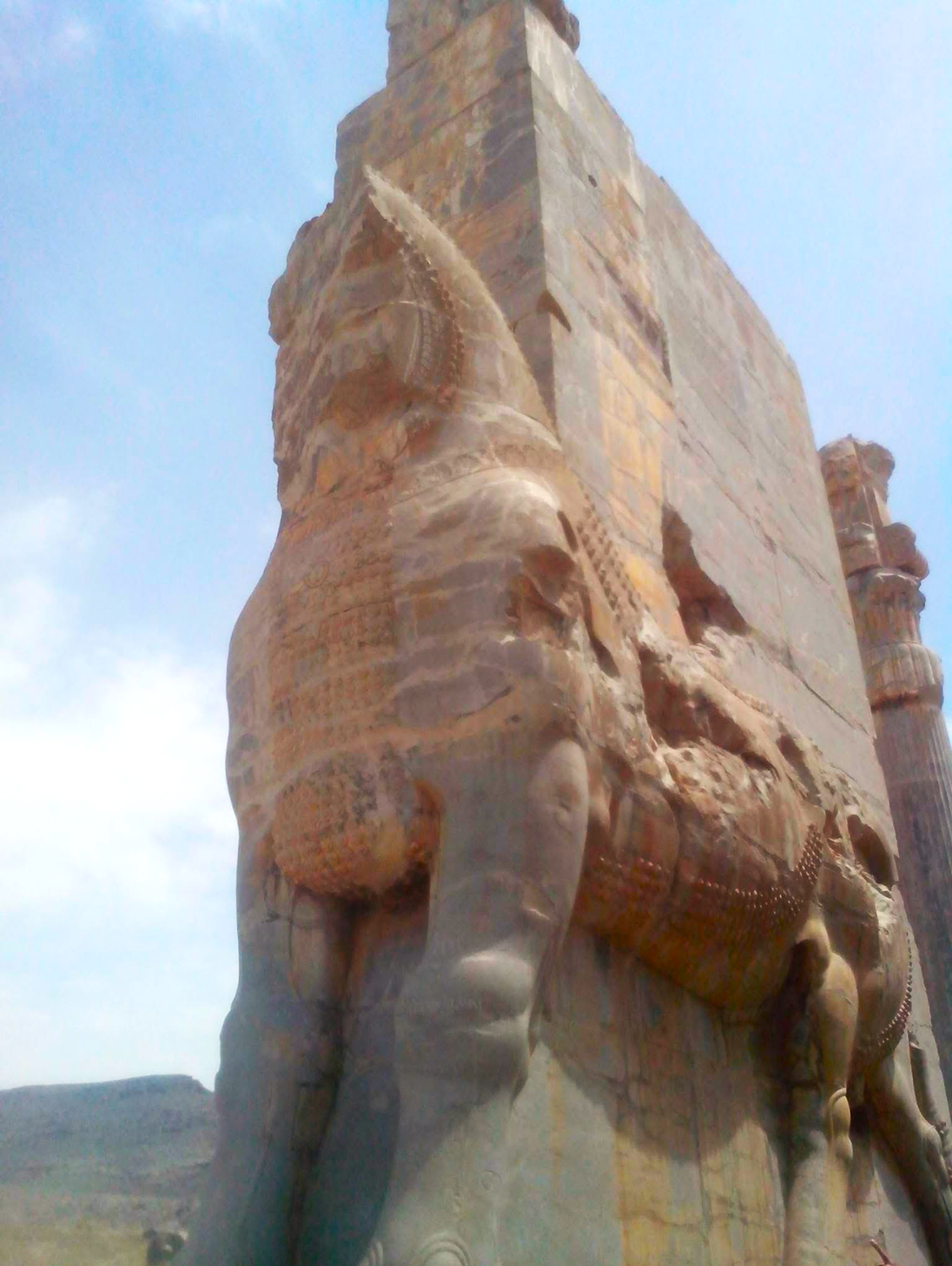
The next trip was Shiraz. It was written about by Yesenin in his Persian Motifs, and sung by Hafez.
The city lies in Fars Province, the historical homeland of the Persians and the Persian language. This is where Iranian statehood was born.

KOLO · 12. December 2025
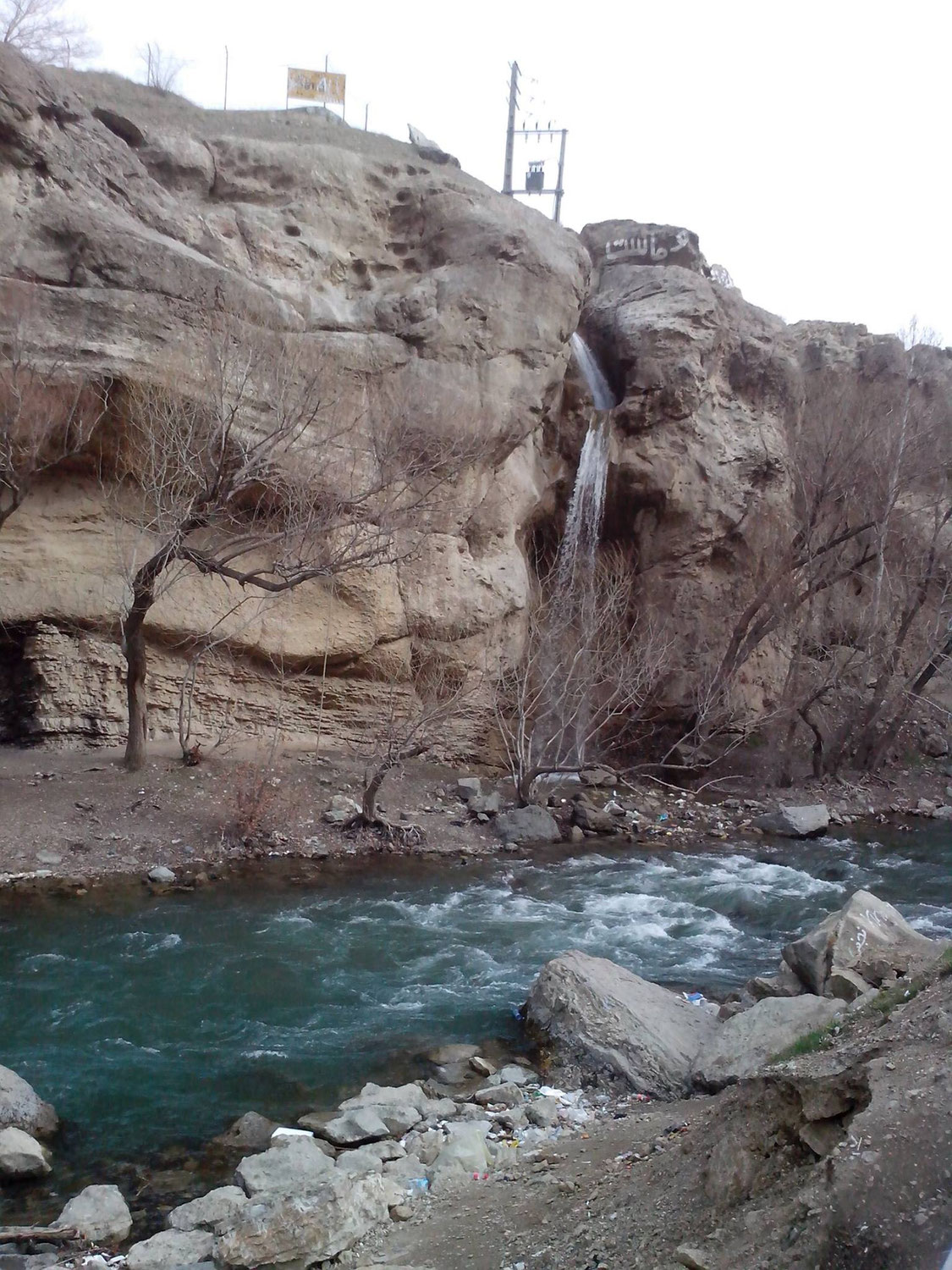
The days rushed forward unnoticed; I spent most of them at the university, continuing to study the Persian language. My second Nowruz was approaching. At some point, the streets of Tehran became surprisingly empty. Although the peaks of the Elburz Mountains were still smoking with white snowstorms, the city was already noticeably warming up.
03. April 2025
I sat at the table, smiling politely, while everyone else chatted animatedly. In front of me was a plate, accompanied by a fork and a spoon. A spoon instead of a knife? The thought flitted through my mind. Resolving to use only the fork, I unwittingly drew even more attention to myself. The food, for its part, refused to reveal any of its flavours and seemed to halt halfway down to my stomach. The day stretched on endlessly, and I silently wondered if it would ever come to an end.

HURMA · 30. March 2023
The egg is a symbol of new life and rebirth - this meaning was known to all peoples in ancient times. On the territory of Ukraine, even today, the usual egg-eating at the dawn of Easter, after the end of the service in the churches, has been massively popular.

HURMA · 20. March 2023
The first embroideries on the territory of Ukraine appeared in the time of the Scythians. Archaeological excavations confirm that male figurines found in Cherkasy, created as early as the 6th century, have in their decoration not only features of Ukrainian clothing of the 18th-19th centuries, but also elements of ancient ornamentation. The Arab traveler also talked about the same ornament in his descriptions of the Rus, which date back to the 10th century.