
28. April 2026
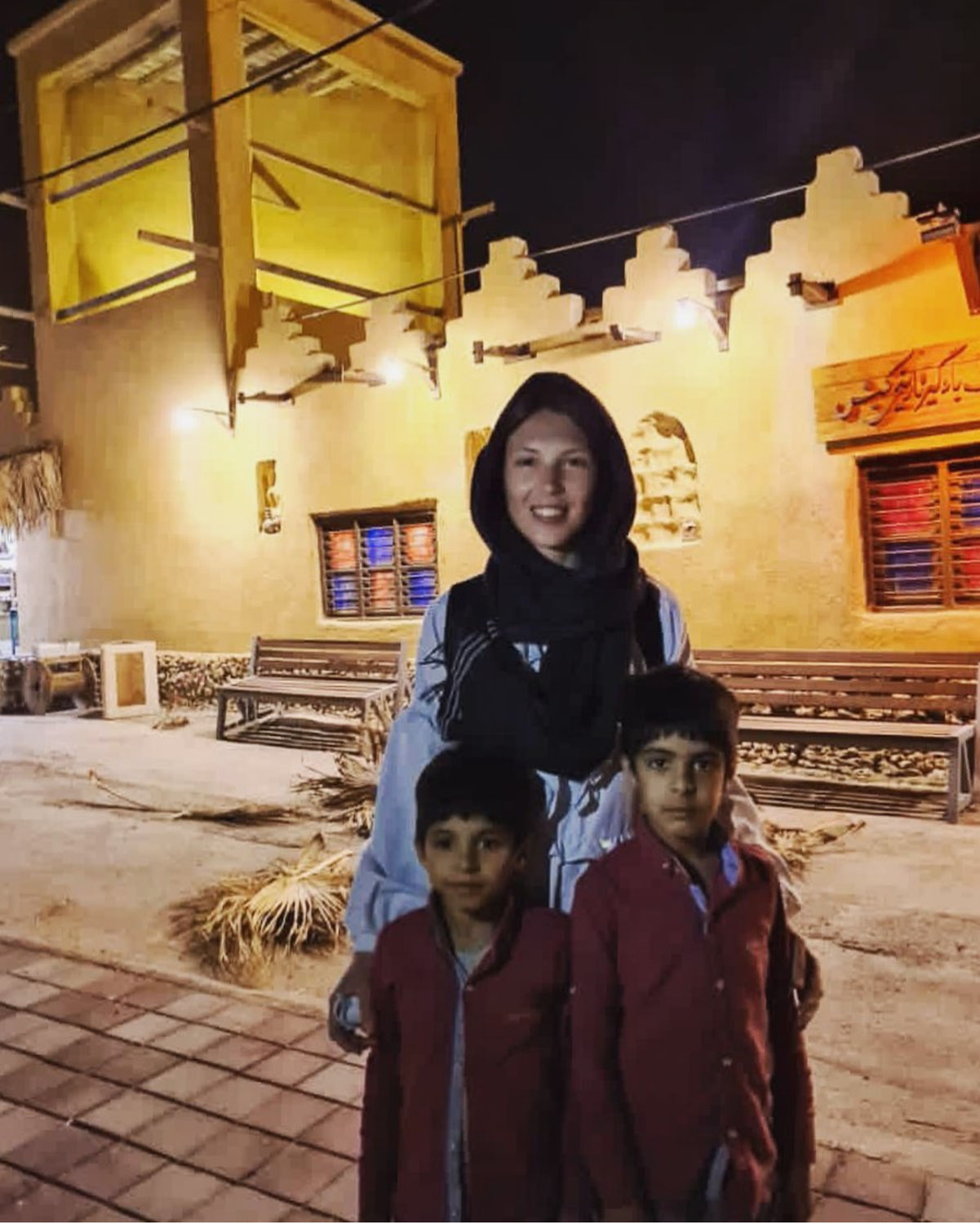
On my knees lay a model of a gifted badgir (a wind tower — an essential element of Eastern architecture). It had been given by a native resident of an old traditional village of Kish, where every detail carried meaning and spoke volumes about the place. Inside, there was a warm sense of fulfilled joy from what I had seen — and a frightening premonition of an approaching large-scale catastrophe…
22. April 2026
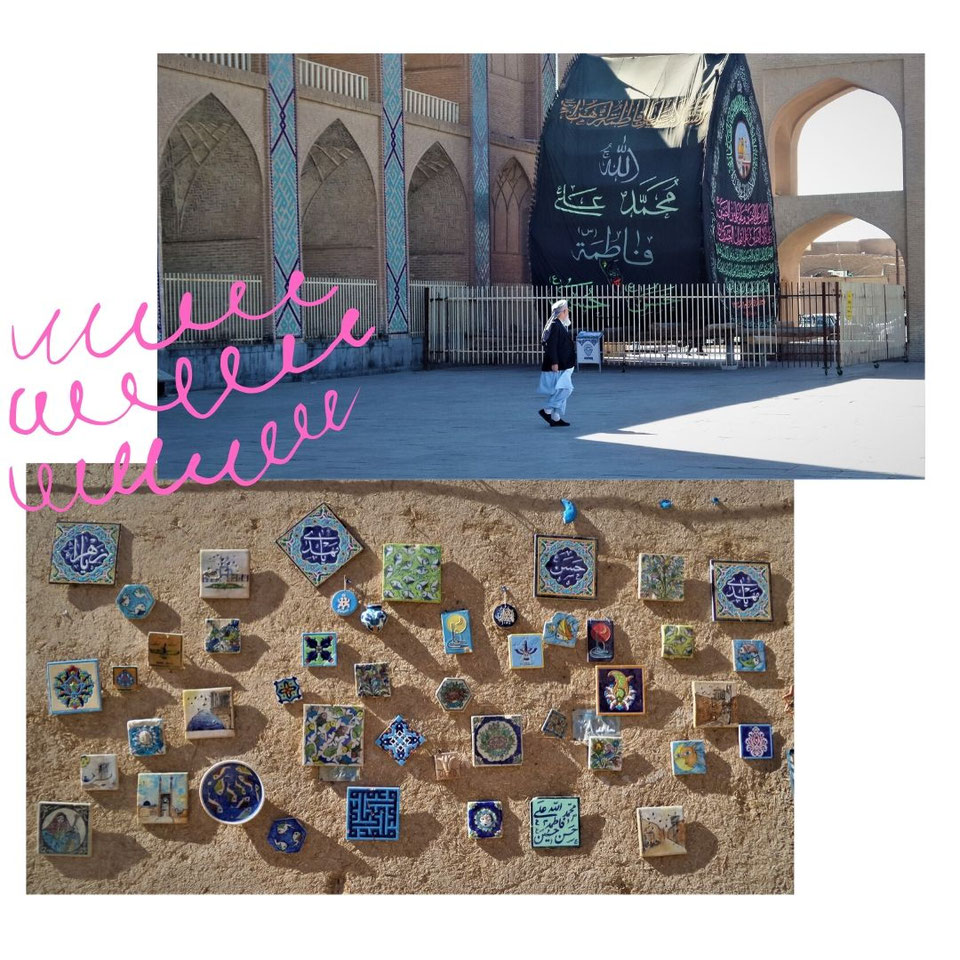
“There they are!” our friend with the scar on his arm said, continuing to drive. “The Towers of Silence…”
A shiver ran through my body at the realization that these were indeed the very dakhmas, as they are called in Iran. They were already several thousand years old, and what stirred the imagination even more was their purpose — they had once served as burial sites for Zoroastrians.
22. April 2026
Ismail woke up in a hospital. He had been placed in the corridor with a shattered head. Struggling to remember what had happened, he silently began to observe what was going on around him.
13. April 2026
Everything around us glowed in golden-red tones, endlessly stretching under the watchful eye of a giant star called the Sun. A third of Iran’s territory is silent and uninhabited. Vast salt marshes rule here.
After sunset, twilight engulfed us — the red desert slowly faded and disappeared into darkness. We were approaching the city of Nain, still a few hours away from Yazd. We decided to stay there for the night. Another reason was the hotel — very old, built in a traditional style.

25. March 2026
It was winter outside, which meant even heavier smog in Tehran — a suffocating haze that hung over the city and refused to leave. I kept silently scolding myself: these were terrible conditions for a newborn, and we had to get out. So we decided to fly to Kish Island.
This stunning coral island lies in the Persian Gulf, not far from Dubai, and from the airplane window it looks like a pearl resting on the water.
cultural guides · 18. January 2026
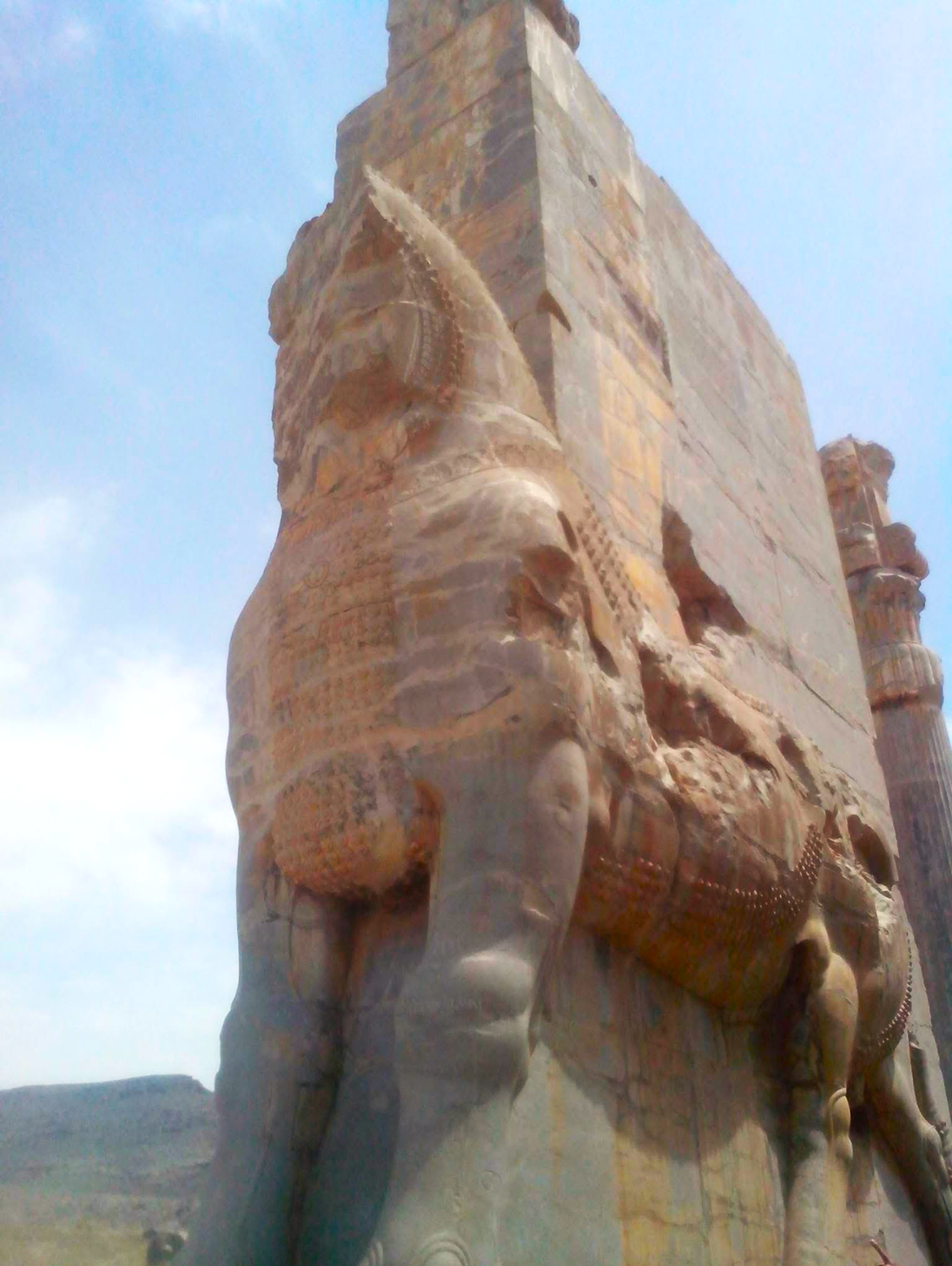
The next trip was Shiraz. It was written about by Yesenin in his Persian Motifs, and sung by Hafez.
The city lies in Fars Province, the historical homeland of the Persians and the Persian language. This is where Iranian statehood was born.

06. January 2026
Little Zinat began attending primary school and later continued her studies in secondary school. At the same time, her father introduced her to the fundamentals of photographic art. He was always her greatest source of inspiration, and she was deeply proud of him. Every day, Zinat reminded both her parents how much she loved them.

KOLO · 12. December 2025
The days rushed forward unnoticed; I spent most of them at the university, continuing to study the Persian language. My second Nowruz was approaching. At some point, the streets of Tehran became surprisingly empty. Although the peaks of the Elburz Mountains were still smoking with white snowstorms, the city was already noticeably warming up.

KOLO · 03. November 2025
In Iran, there is genuine male friendship and its own philosophy of relationships. "To offend friends is to please enemies," says a Persian proverb. And the common expression "Fada'i dorī," which literally translates as "You have a slave," speaks of loyalty. The phrase took root in everyday language back in the days of the ancient Assassins. Have you ever heard of them?
KOLO · 12. October 2025
A drop leaves its native earth —
and again returns to the oyster
that awaits its pearl...
Jalaluddin Rumi