

25. February 2026
In 1933, the contract for the North–South railway was signed with the Danish engineering company Kampsax. The project began with its most formidable challenge: the Northern Alborz Mountains, rising sharply toward the Caspian coast.
Several European companies had already failed to force a railway through the Alborz range. The greatest obstacle lay in the steep incline leading to the Gaduk Tunnel and the vast valley carved between two mountains. It seemed almost impossible terrain for a train.
KOLO · 21. December 2025
It turned out that there was, after all, a difference between Iranian women and me. They simply could not understand how one might not love gold. All our arguments about the fact that it was not such a profitable investment usually ended with my promises not to refuse expensive gifts. For me, this questionable asset had always felt like a burden.

KOLO · 12. December 2025
The days rushed forward unnoticed; I spent most of them at the university, continuing to study the Persian language. My second Nowruz was approaching. At some point, the streets of Tehran became surprisingly empty. Although the peaks of the Elburz Mountains were still smoking with white snowstorms, the city was already noticeably warming up.
31. July 2025
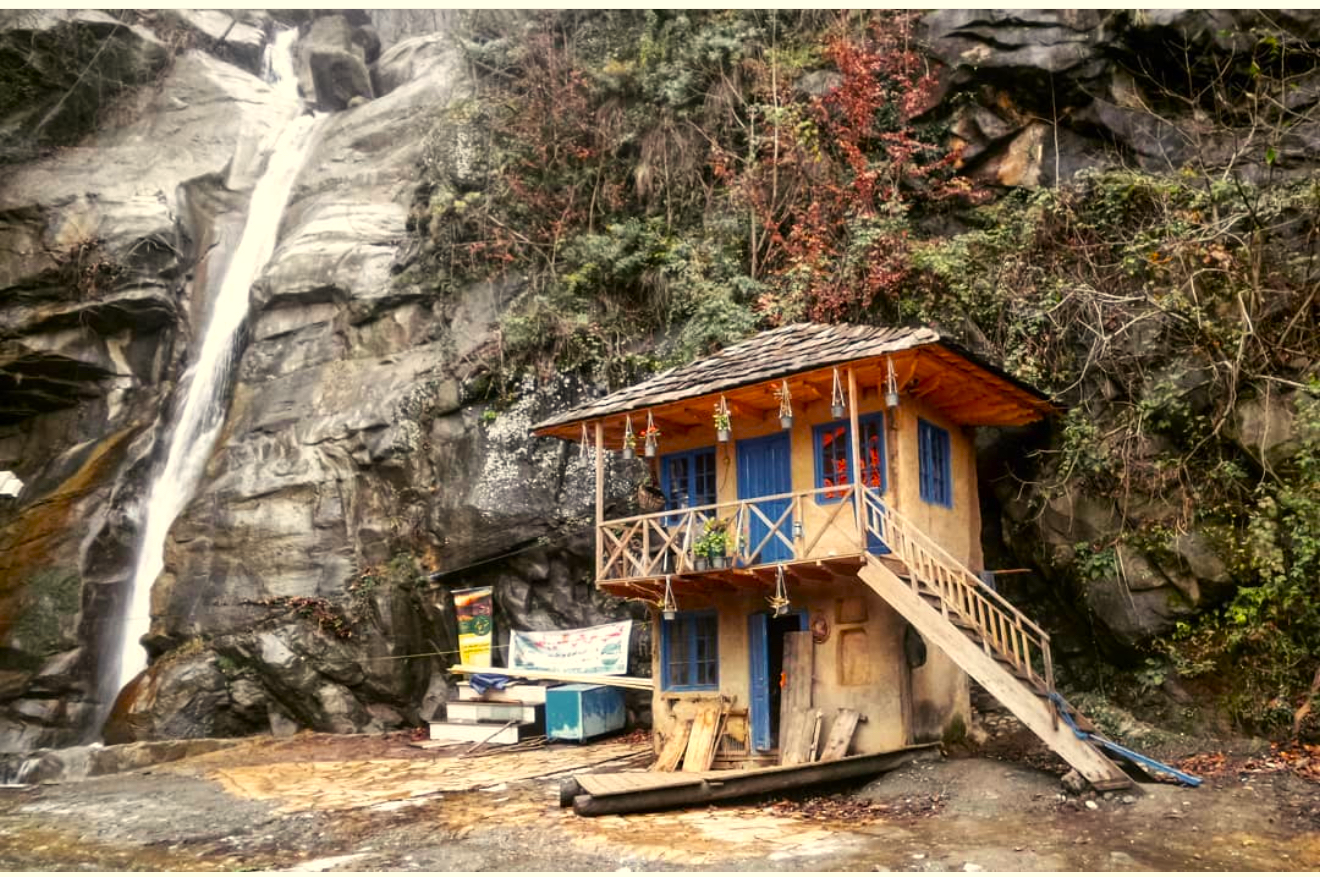
Morning broke, finding us at the observation deck with a panoramic view of the city. The Ramsar surrounding by green mountains on all sides. Closer to the sea, these mighty peaks dipped their backs, plunging into the deep, purplish-blue of the ancient, grey Caspian Sea. This vast lake was once part of a larger ocean, connected to both the Black and Azov Seas.
29. July 2025
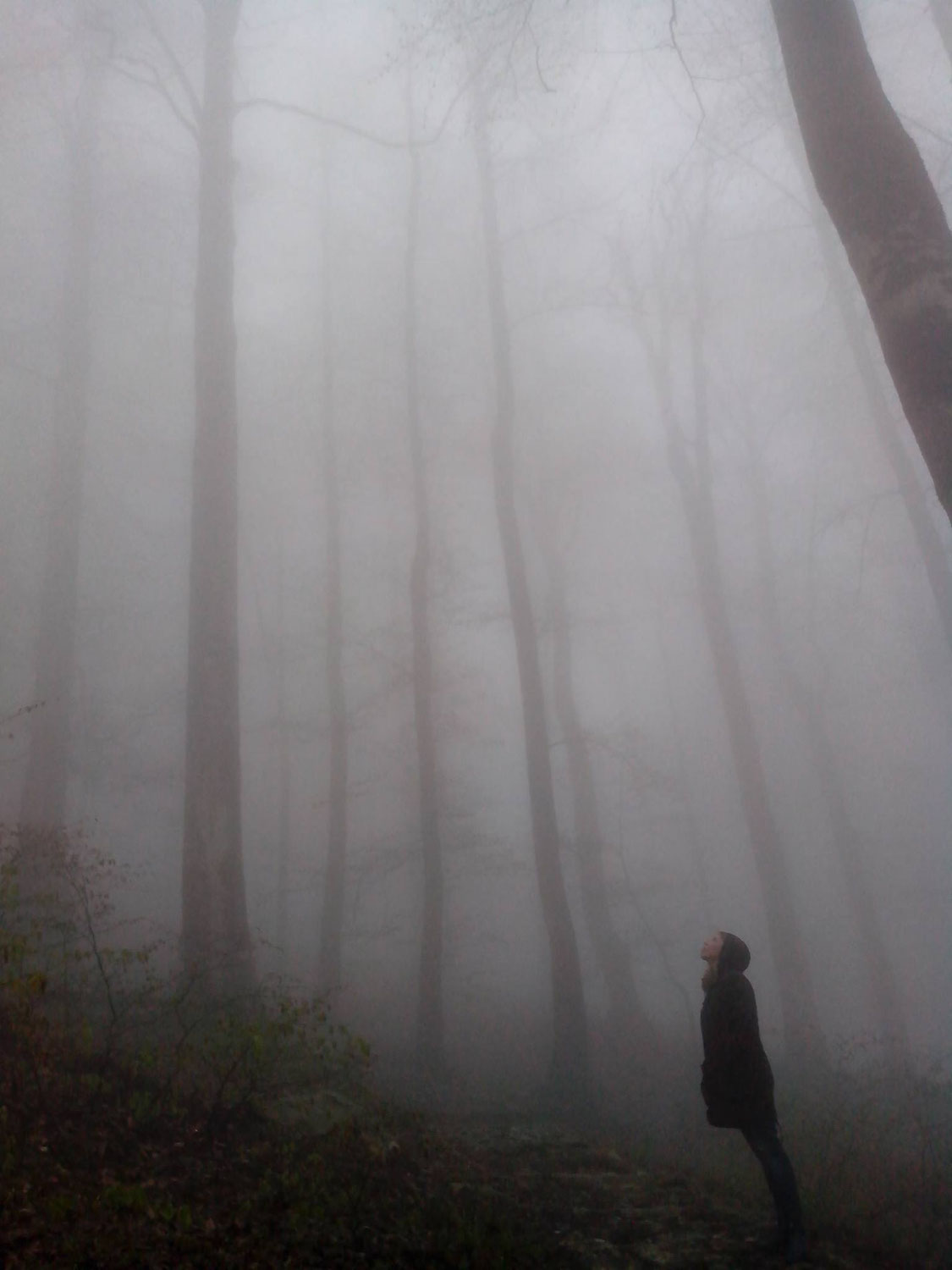
The moment finally arrived: we were driving towards the Caspian Sea, heading north into the province of Mazandaran. In the Middle Ages, this region was known as Tabaristan, and human history here stretches back to the mid-10th millennium BC.
28. April 2025
When I first arrived in Iran, the expression that struck me most came at the checkout counter of a store: “Ghabeli nadare.” Literally, it means: “It’s not worth anything,” or more loosely, “No need to pay.” Imagine buying something, reaching for your wallet, and the cashier smiles and says, “No need to pay, just take it.”
18. April 2025
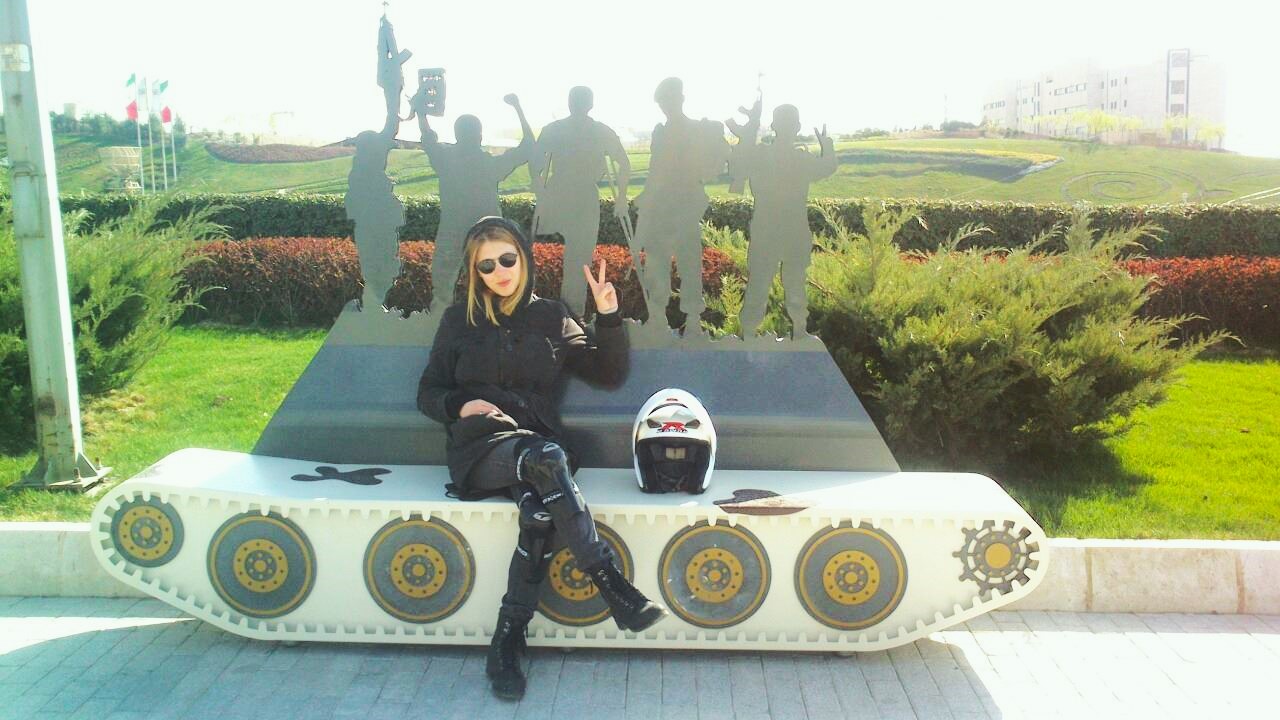
I take off my heavy motorcycle helmet and place it on my iron competitor—my husband’s bike. We’re somewhere on the outskirts of Tehran. Around us stretch yellow-burgundy hills and dry, parched earth. In the distance, young trees have just been planted, their delicate green a quiet contrast to the dust.
The motorcycle broke down right at the top of the hill. I step aside and wait calmly while my beloved husband tries to fix the problem, carefully inspecting the source of the breakdown.

Postcard · 14. November 2018
Для меня было загадкой - почему новая девушка в нашем классе постоянно садилась возле меня? Ее звали Марьян, не так давно она со своей семьей переехала жить из Пакистана в Иран.

Postcard · 15. October 2018
Когда преодолевала каждый новый километр в бывшей Персии, представление о ней все больше менялось. Сначала показалось, что здесь абсолютно нечего смотреть - старая страна, прикрывающиеся черным хиджабом.