
15. July 2026
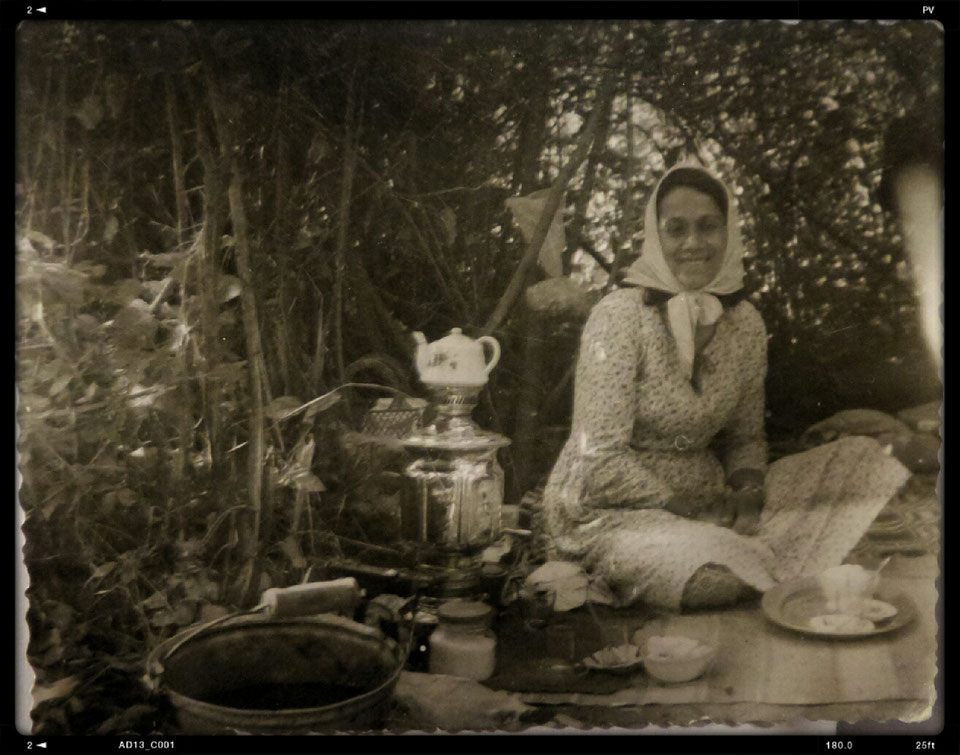
Today, the family’s archive carefully preserves photographs dating back to 1943. Her grandson, Ali Tehrani, is the guardian of this priceless collection. Sadly, a significant portion of the archive was destroyed during the Islamic Revolution of 1979. Negatives depicting the Shah, photographs of women without head coverings, and artistic nude photography were all banned and subsequently destroyed.
KOLO · 17. December 2025
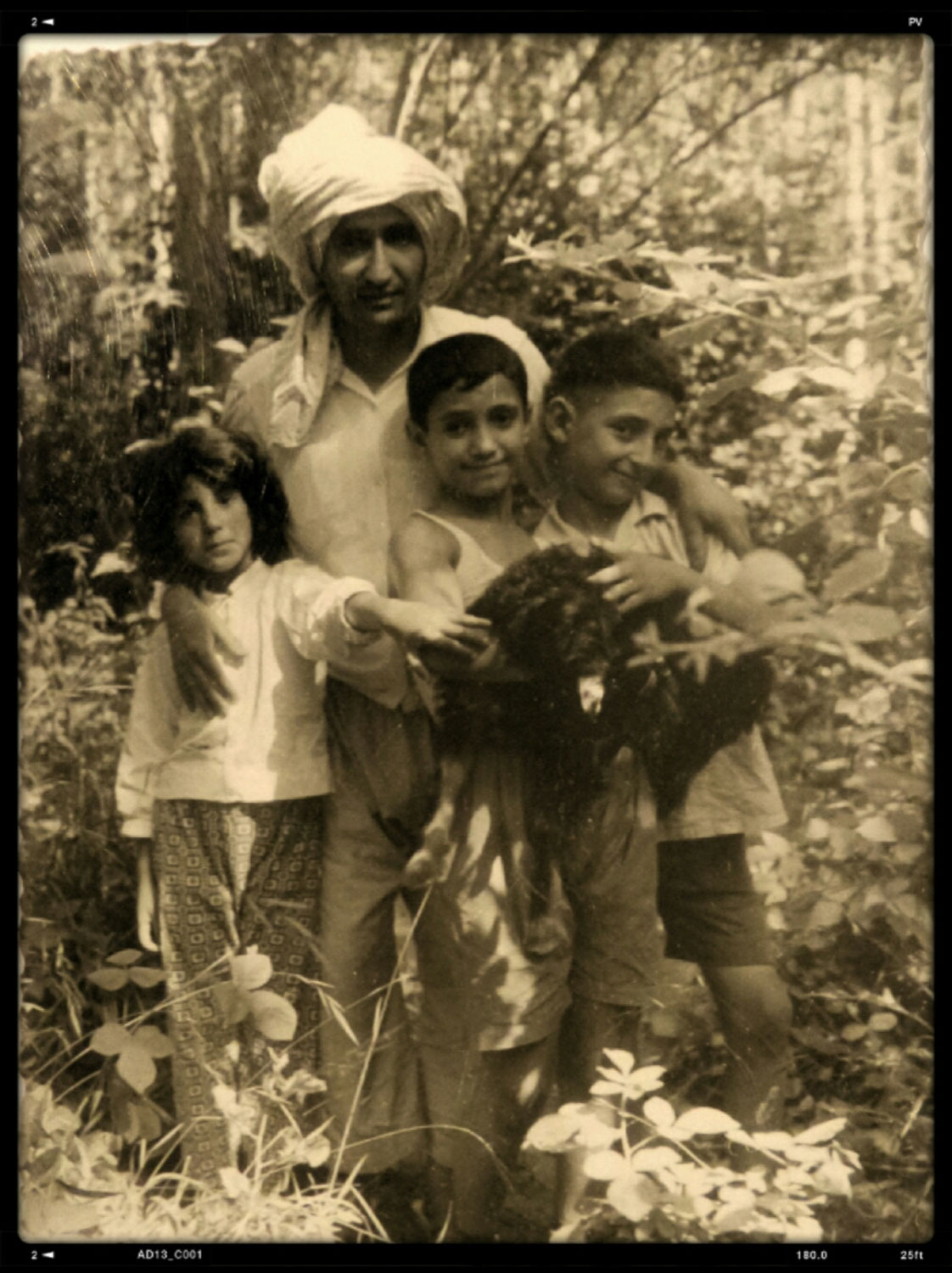
Abdullahan once again tried to begin a new life. This time — in Tehran, the greenest and most prosperous capital of Persia. Things began to improve, if only slightly. The dreamer found work as a translator at a foreign embassy. He worked almost every day, and in the evenings he visited a friend’s photo studio and continued to play the dutar outdoors, surrounded by nature. In photographs, everything always seemed fine, and music helped release the emotions that had long held him captive.

01. April 2025
In Iran, it’s common to see a photo of the founder of a family business displayed on the wall of a restaurant or private shop. The older the business, the more prestigious it is considered. For the children or grandchildren, continuing the work of such a highly respected family breadwinner becomes a significant responsibility.
Typically, portraits of men proudly dominate such photographs. But once, in an old Tehran photo studio, a young girl was gazed at me from a black-and-white image.