
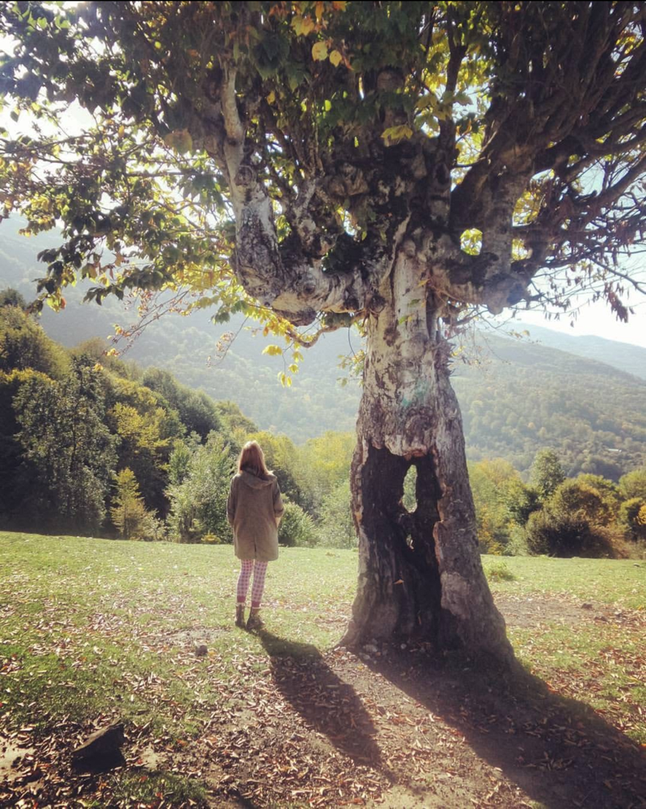
In the south of the Caspian Sea, where the humid air smells of tea and forest, lives a people whose name is rarely spoken aloud. The Talysh. Their land does not try to impress — it teaches you how to listen.
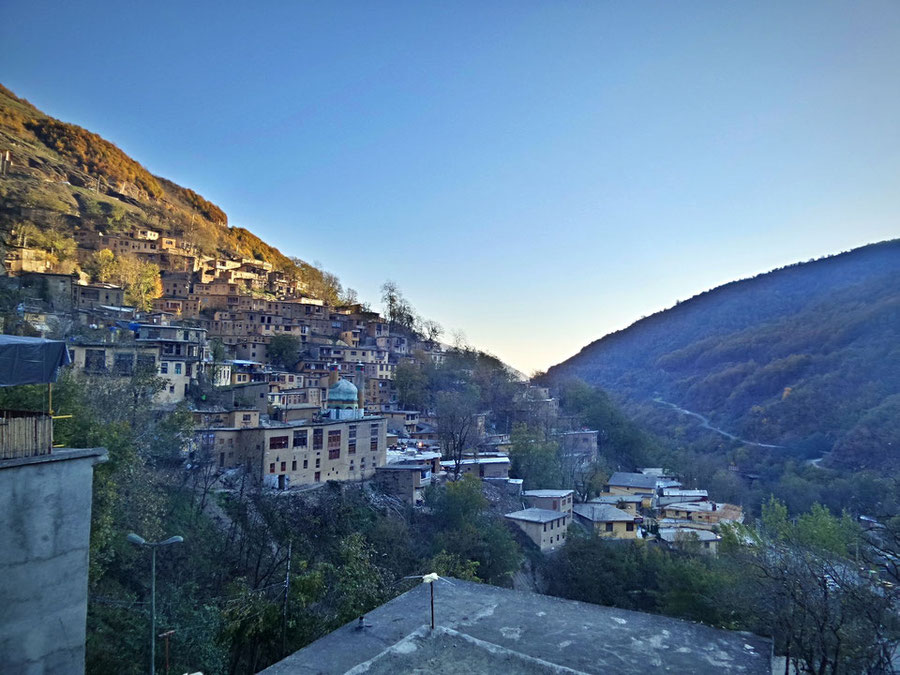
Here, houses cling to the mountain slopes as if seeking support from one another. The rains often come and linger, and it feels as though time flows more slowly in these places, dissolving into mist. Talysh culture is not about haste. It is about endurance, patience, and a quiet understanding of life.
After crossing a small river with a waterfall, we found ourselves in Masuleh. We called a local man about renting a room for the night and pulled over to wait for him. Nearby stood houses that were thousands of years old. Above them, large stars shone brightly. When we switched on the high beams, we startled a fox — most likely one that had been watching us for quite some time.
Long ago, the Great Silk Road passed through this village, making it a lively place of trade and constant movement. Over time, Masuleh began to decline, and people gradually left due to unemployment. Today, nearly 80 percent of the local population is involved in tourism. Among them was our acquaintance, the owner of the room, who kindly accommodated us on the ground floor of his old house. Having inherited the property, he chose to abandon city life and return home to Masuleh with his family to build a profitable tourism business.
The Talysh language is soft and fluid. For a long time, it was never written down — it lived in voices: in songs, fairy tales, and lullabies. Here, words are inseparable from breath, and history from everyday life.
The music is slow and drawn out, with pauses. In those pauses, there is more meaning than in the notes themselves. The songs speak of separation, journeys, and waiting — of the idea that a human being is only a guest in this world, but a responsible one.

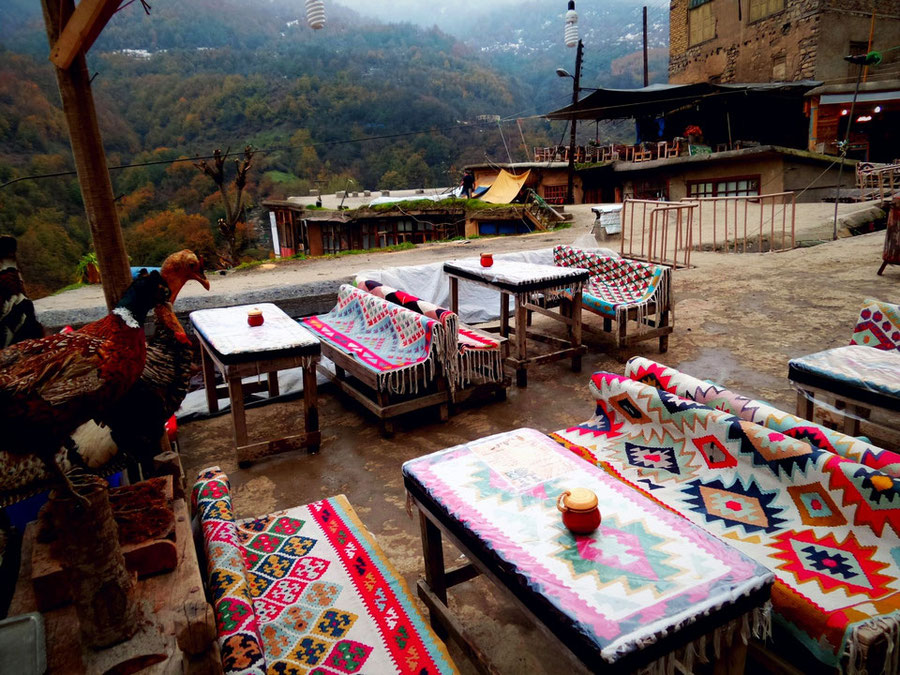
For the Talysh, nature is not a backdrop but a dialogue partner. The forest is older than any memory, springs are places of power, and fire is a living presence. These ancient beliefs have survived centuries and religions, dissolving into daily life, gestures, and the habit of thanking the earth.
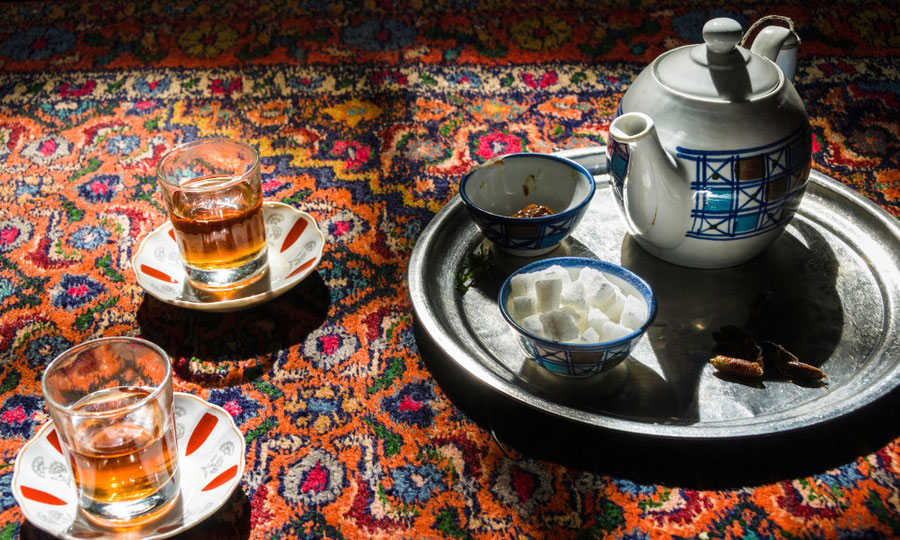
Talysh culture does not demand attention. It exists quietly — in tea leaves, in the patterns of woven fabric, in slow conversations on the threshold of a home. And perhaps that is why it has preserved itself for so long: not by resisting time, but by allowing time to pass through it.
Entering the house, we had to duck slightly — the doorway was surprisingly low. The room itself was spacious, with two tiny windows through which the starry sky was visible. For the first time in my life, I liked the idea of sleeping on the floor. There was almost no furniture: just one sofa and a wardrobe containing sleeping mattresses. A small kitchen with a refrigerator, a wooden ceiling, and floors covered with soft carpets. In one corner, a note was pinned to the wall:
“Do not fry kebabs on the stove. Do not enter the room wearing slippers from the toilet. Pray facing the wardrobe.”


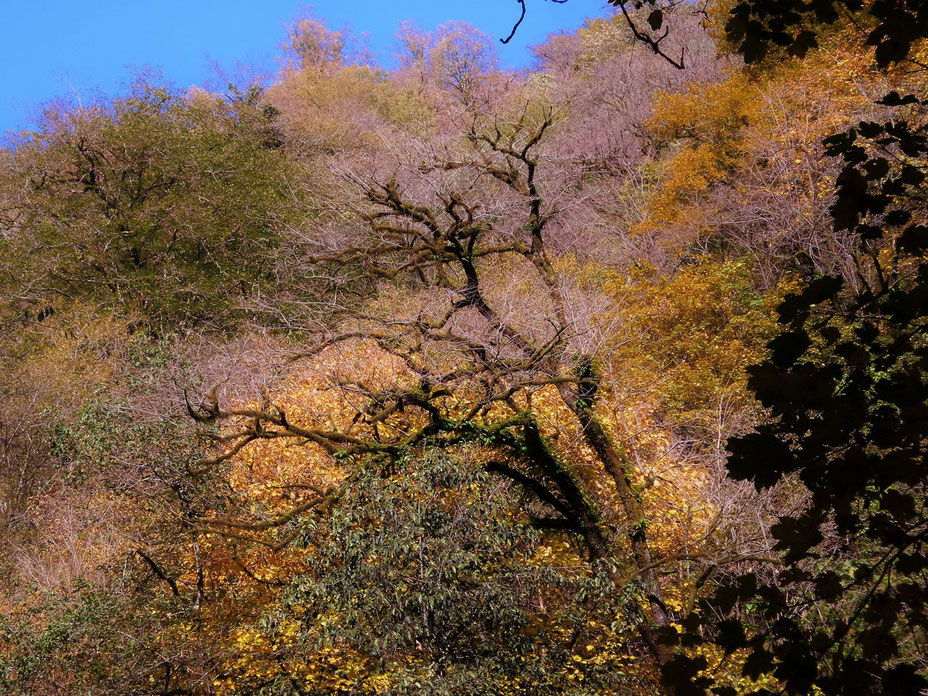
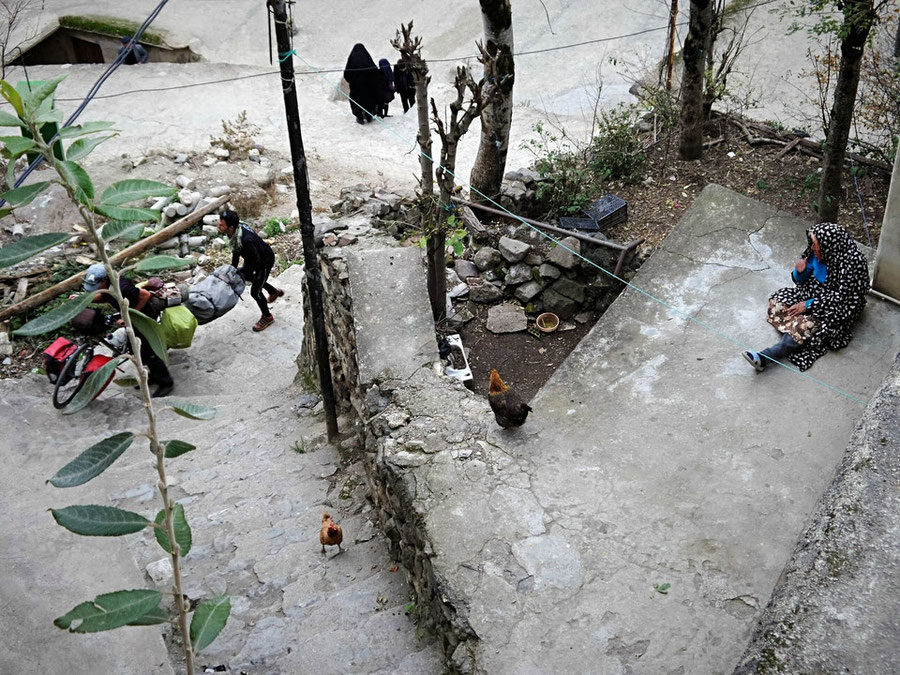
That very morning, we had been sitting in an olive grove. By evening, we were standing on someone’s rooftop, gazing at a huge moon that illuminated the unusual, stair-like village of Masuleh. At that moment, there were only a few wishes: to drink, to eat, to hug the one I loved, and to breathe in the fresh air in greedy gulps. We later walked to the nearest waterfall and returned exhausted to rest. The next morning, another adventure awaited us. Another castle. The Assassins once again.
Some people choose to spend their free time surrounded by nature, while others prefer visiting historical sites and learning their stories. Sometimes, however, nature merges with history, enchanting both groups at once. One such place is Qaleh Rudkhan in the province of Gilan.
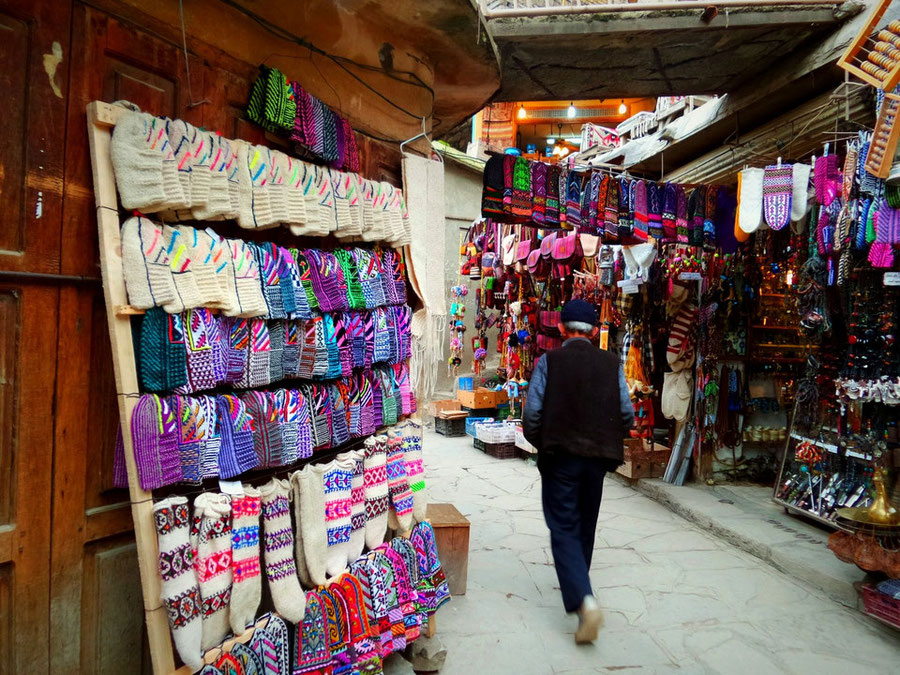
Souvenir shop vendors were just beginning to lazily arrange colorful knitted socks and dolls when we were already standing at the foot of the mountain. Twelve hundred steps led to the summit, where a fortress awaited us. Armed with water, and almonds, we set off on a long and scenic route through a forest that felt almost fairytale-like.
The fortress was built during the Sassanid era, at the time of the Arab invasion of Iran. In the Seljuk period, it served as a base for the Ismailis — the same ones associated with Alamut. Dense forests and steep mountain ridges made the fortress nearly impregnable, turning it into an ideal refuge for the Hashshashin.
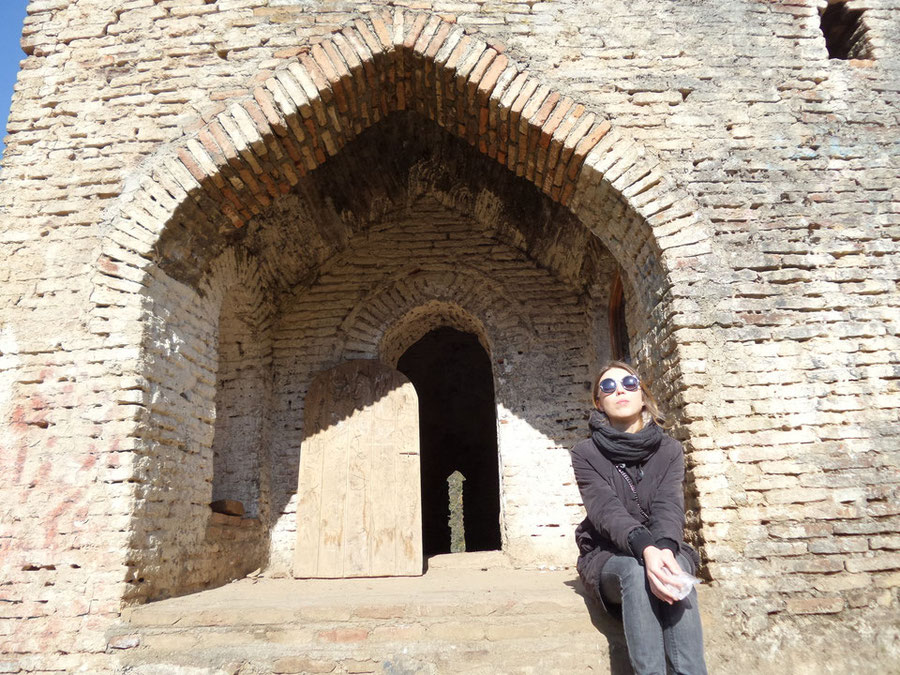
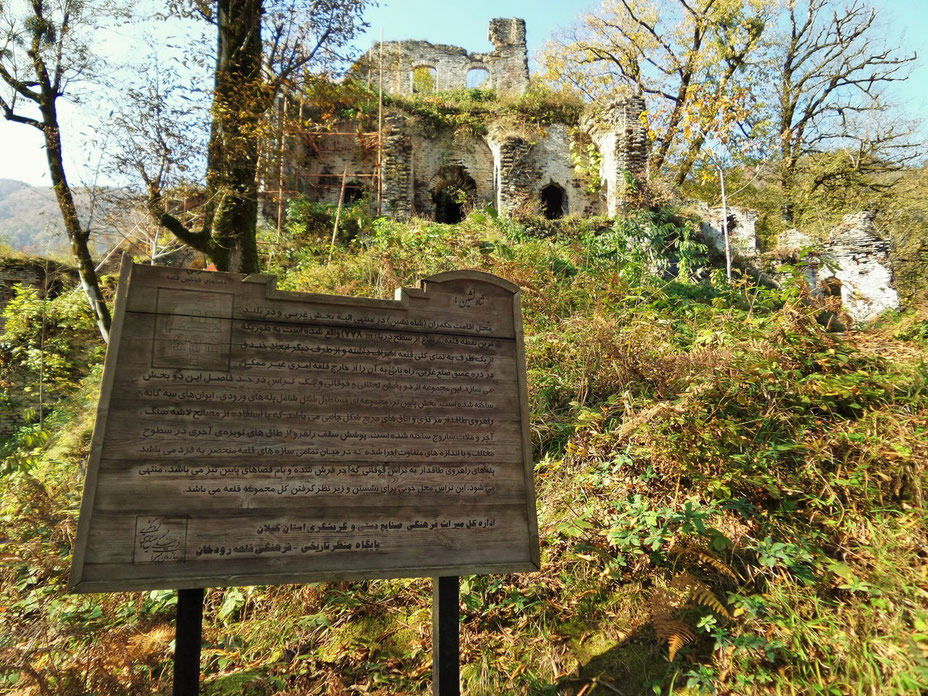
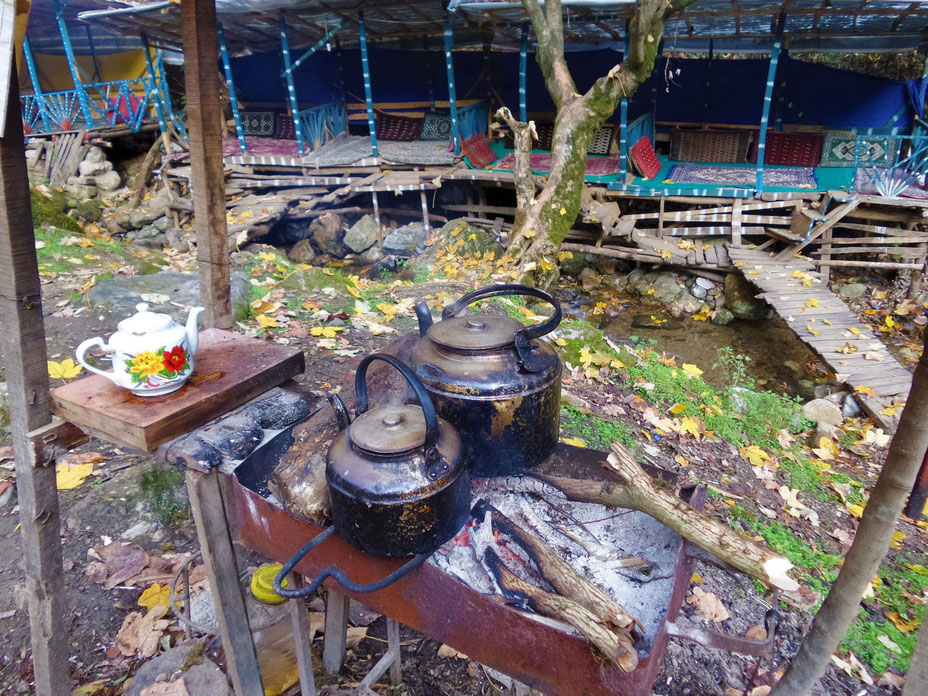
Two roads led to the castle: one long and safe, the other short and secret, known only to a few. The path began at a waterfall, its streams spreading like arms among green stones covered in ancient moss. Along the route known as Darvazeh Beheshti — “The Gate of Paradise” in Persian — locals prepared hot tea over open fires using leaves grown on nearby plantations. They also offered
Ash Reshteh, a nourishing soup served straight from the flames. Rich in beans and herbs, it is traditionally eaten in Iran before long journeys.

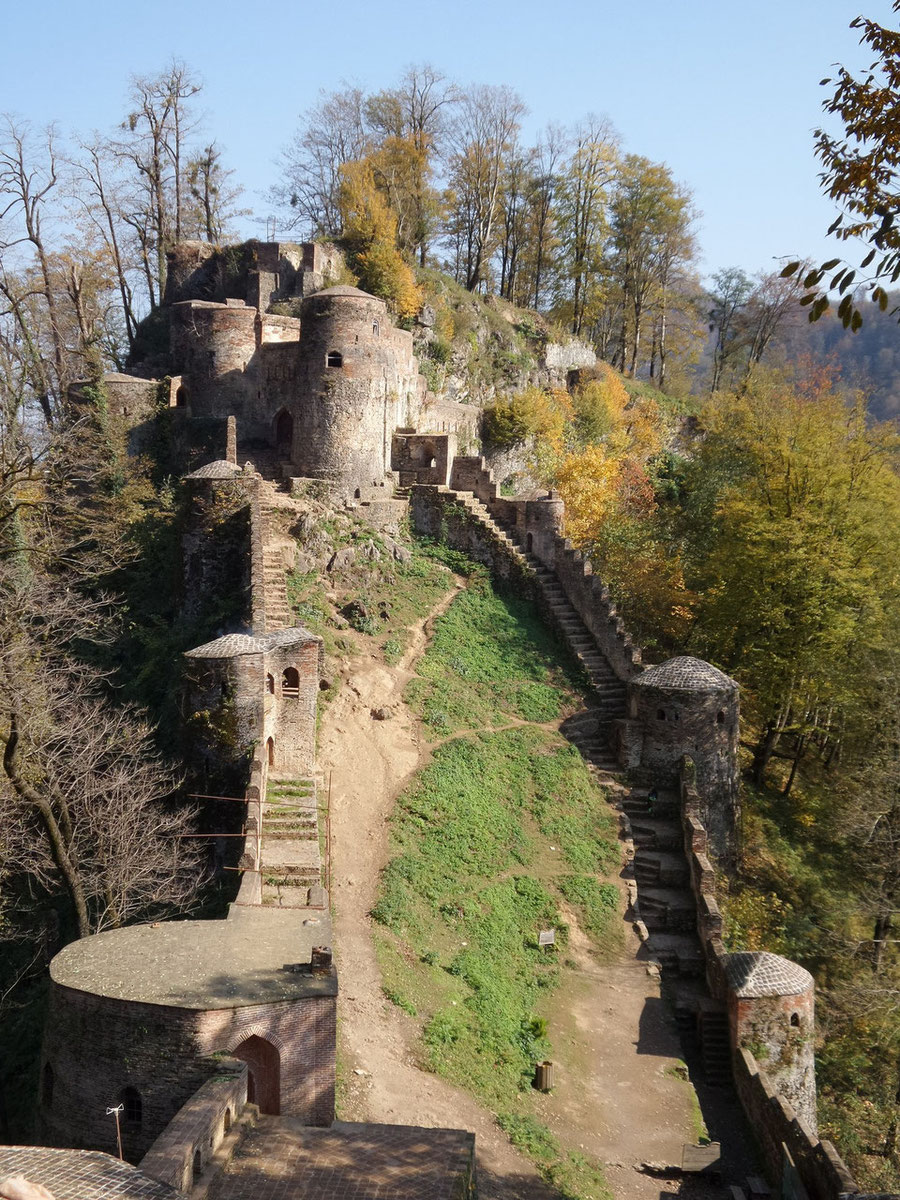
After several stops and attempts to take shortcuts, we finally reached our destination. Iranian schoolgirls were climbing alongside us with their teacher. One girl loudly boasted that it was her second ascent that day and that she wasn’t tired at all. It took us more than an hour to climb all 1,200 steps. During that time, every traveler we met along the way became an old acquaintance.
Between 1307 and 1370, Gilan was under Mongol rule, yet the fortress of Rudkhan was never conquered. This historically significant stronghold, which for many years served as a refuge for local rulers, was one of the largest citadels in the region. Within its walls were a prison, a bathhouse, and a reservoir. When the Mongols attempted to seize the fortress, they simply grew tired of climbing and abandoned their plan. The fortress was never taken by anyone — a testament to the advanced military strategy and deep architectural knowledge of its builders.
