
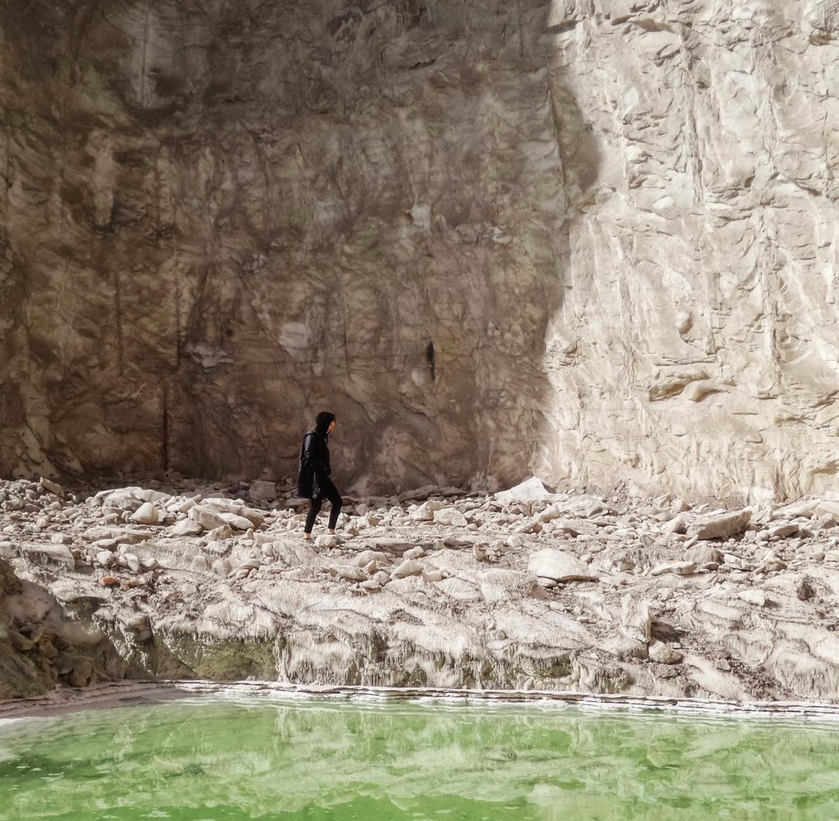
My life experiences have taught me that
a frightful chasm separates me from the others. The same experiences also have
taught me when to remain silent and keep my thoughts to myself. Nevertheless, I
have decided that I should write.
— Sadegh Hedayat, The Blind Owl
Sometimes life collapses over you like an avalanche — sudden and merciless, testing your strength. One of my deepest fears, tied to my love for travel, once taught me a harsh lesson. It happened in Iran — a country that, like a strick teacher, prepares you for everything.
My husband and I were heading toward the desert once again. Outside the window, striped mountains shimmered in rich, sunlit colors. Though this land is dry, its beauty is mesmerizing.
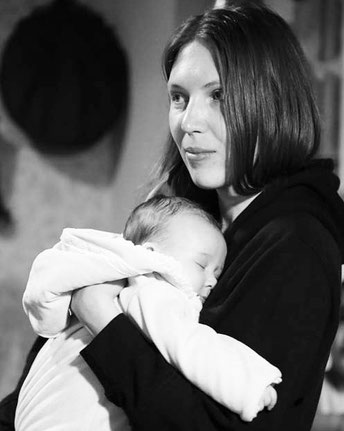
This time, we were three. Our daughter, just a few months old, had already traveled thousands of kilometers — thanks to her curious parents.
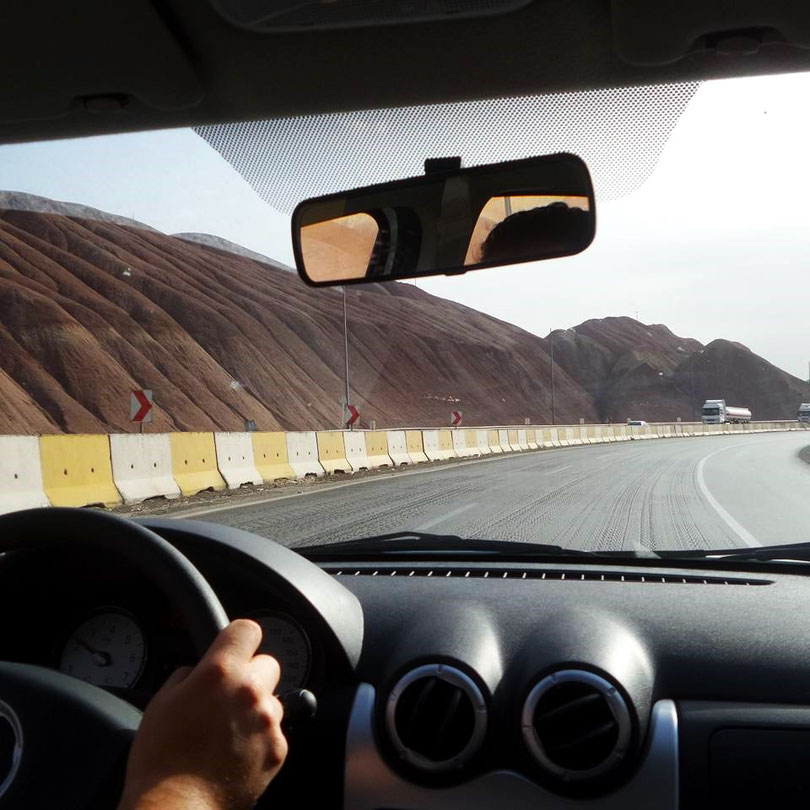
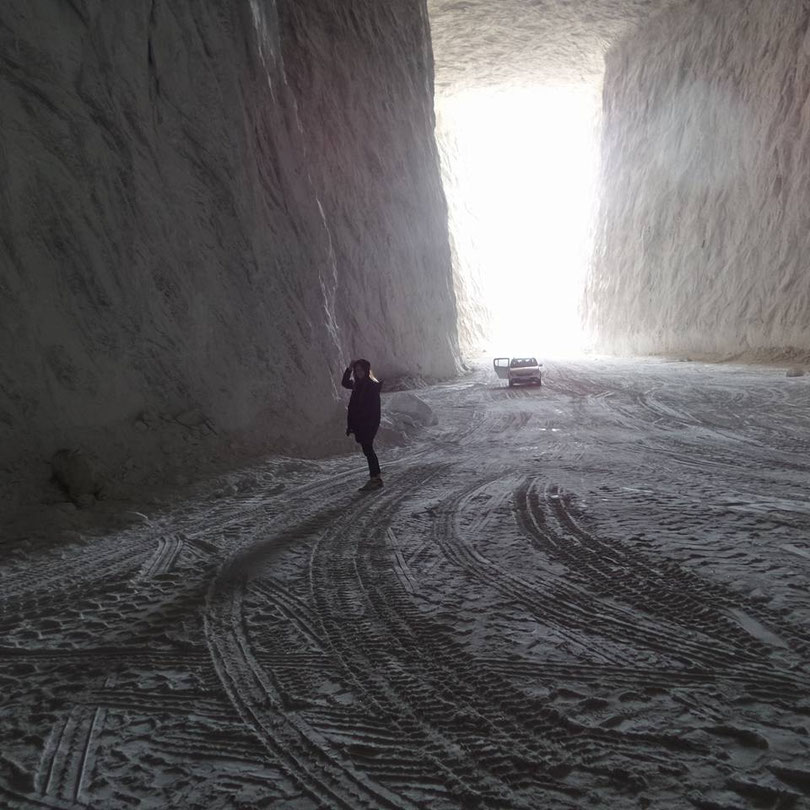
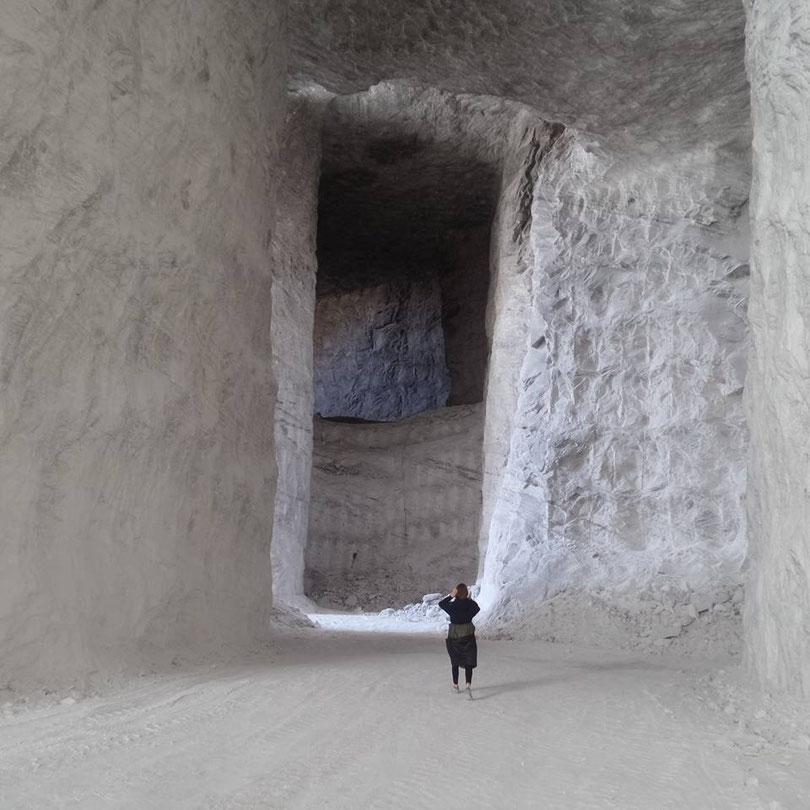
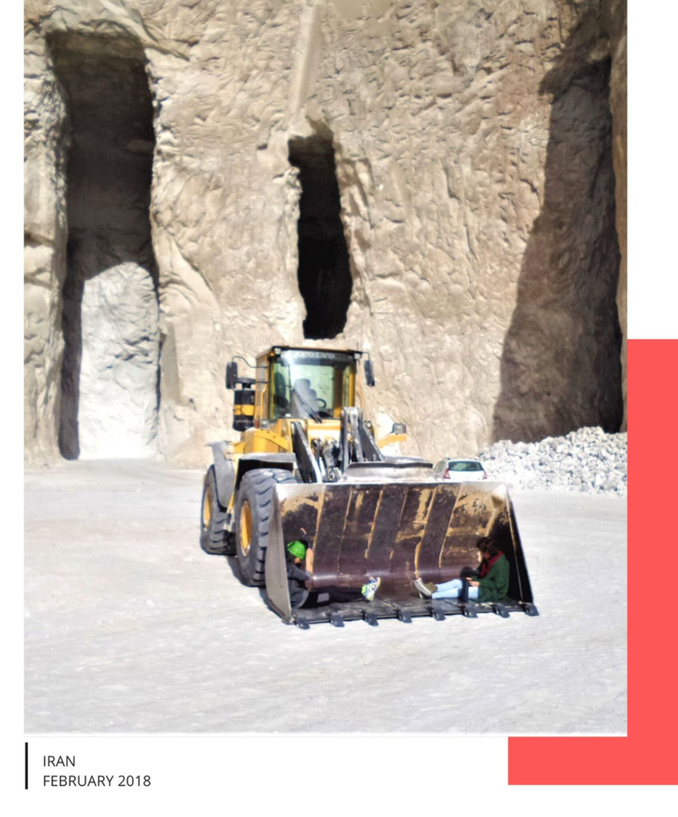
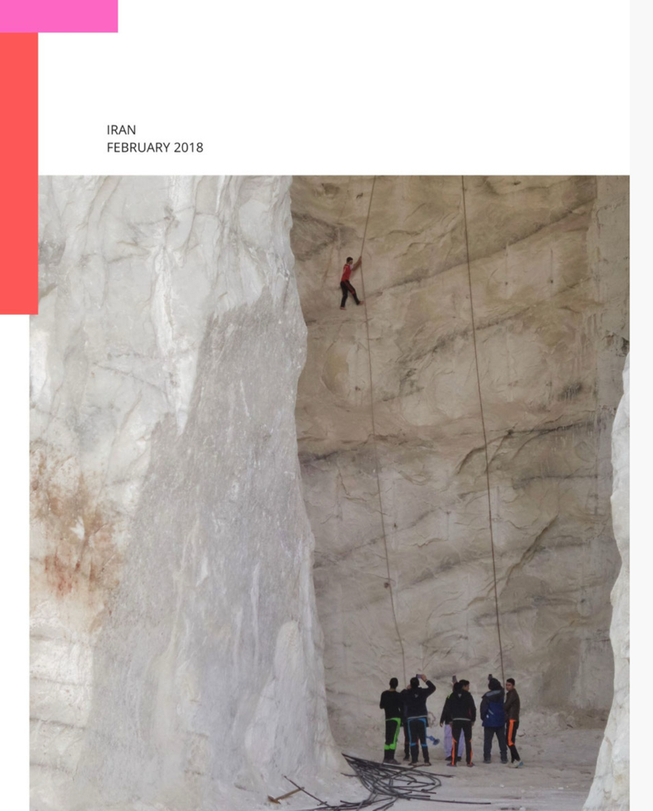
That day, we arrived at an abandoned salt mine near Garmsar, recently opened to visitors. The sheer vastness of the caves was overwhelming as we drove into the depths. Inside, the humid air and crystalline white walls lifted our spirits; I felt a sudden, primal urge to run, shout, and laugh.
Our daughter, by contrast, remained perfectly composed, watching the subterranean world unfold from her baby carrier.
We were already about to leave when we noticed another entrance leading deeper into the mine. We decided to head down there as well. The dazzling salt walls forced us to stop for photos once again. Soon, a group of Iranian tourists arrived, including some children. Everyone was joyfully exploring the space.
Then, there was a sound—a heavy, dull thud.
A nine-year-old girl with short black hair suddenly collapsed. A second later, her mother’s scream cut through the air — so piercing it froze everyone in place. Rocks had fallen from above, striking the girl’s head. She lost consciousness.
Pressing my little one close, I felt a desperate urge to run home and forget everything I had just seen. With one hand, I was already pulling my husband toward the car, ready to jump in and escape this "white hell" as fast as possible.
Suddenly, the father of the girl who had fallen ran up to us, pleading for help—the victim had to be rushed to the hospital immediately. Ours was the only car that had driven down into the mine; there was an industrial tractor nearby, but it hadn't been moved in ages. There was no choice.
Getting into the car, I hugged my baby even tighter and held my breath. It all felt like a nightmare I wanted to wake up from at any cost. In the front sat the father, cradling the blood-stained head of his dark-haired little girl; next to me sat the girl's aunt. Her mother had stayed behind at the scene, where several tourists were trying to bring her back to consciousness.
We began our ascent out of the mine. On the way, we encountered another group of people heading down. After quickly checking if there was a doctor among them, my husband hit the gas, and we sped toward the nearest first-aid station—those small trailers marked with a red cross that are usually stationed along the main roads.
I desperately wanted this story to end as quickly as possible. It felt like we just had to hold on for a few more minutes, and everything would be over. But there was no emergency station in sight. And then we were already speeding down the highway.
All this time, my husband kept talking to the girl’s father, who was crying uncontrollably — it was important to keep him conscious and present. In the distance, we spotted a police car. We stopped and asked where the nearest medical point was. They told us to turn back a few kilometers.
And so we were speeding in the opposite direction. The girl’s father, sitting in front, kept crying and repeating, “Atena… Atena…” But she didn’t regain consciousness.
Finally, we reached a small roadside unit marked with a red cross. It was closed.
Another turn. And once again, we were racing toward the nearest town, about 30 kilometers away. My little one was fast asleep, while I held her tighter and tighter in my arms. It felt like this would never end.
One thought kept circling in my mind: why is this happening to us? But it was just a coincidence — the kind you can never fully protect yourself from, no matter how hard you try to escape it.
A heavy inner transformation was happening through this overwhelming fear.
At last, we reached the hospital. Within seconds, everyone had rushed out of the car, leaving just me and my baby behind. The front seat was stained with blood.
In that moment, I tried to focus on my breathing, slowly coming back to myself — my racing heartbeat could not disturb my daughter’s sleep on my hands.
Thanks to my husband and his fast driving, the girl was saved.
When we got home, the hero of my story quickly washed the car, removing every trace of blood. We didn’t want to talk about what had happened — we didn’t even have the strength to return to it in our thoughts.
The next day, Atena’s father called. There was still a difficult surgery ahead, but the most important thing was that she was alive.
Do you think that after something like this, we should stop traveling? Or maybe stay home and minimize all risks?
To agree to that would mean surrendering to fear.
Our world is incredible. And that is the very reason why we continue moving forward together, covering new distances and rushing toward new adventures.

* Atena (آتنا) is a popular Persian female given name derived from the Greek goddess of wisdom, Athena. While of Greek origin, it is widely used in Iran and sometimes associated with the Persian word "ātinā," meaning pure or holy. It is often spelled Athena in other languages.

Write a comment