
Once I saw a photo of an old Persian cemetery sown with figures resembling phalluses. They were all different sizes, and their height depended on the deceased's wealth. It was then that I immediately grasped the full depth of the essence of patriarchy.
Our world is arranged so harmoniously that a man can only give a new life only with a woman. Everything is created in balance. Together we are strength. So, my point is this: when the air is oversaturated with testosterone and more than one alpha male gathers, the weather changes with strong gusts of wind and can turn into a hurricane, destroying everything in its path.
In Iran, there is genuine male friendship and its own philosophy of relationships. "To offend friends is to please enemies," says a Persian proverb. And the common expression "Fada'i dorī," which literally translates as "You have a slave," speaks of loyalty. The phrase took root in everyday language back in the days of the ancient Assassins. Have you ever heard of them?
Thanks to a computer game, their fame has seeped through millennia and spread into the minds of teenagers. They were flawless mercenaries, devoted killers. This is how the world knows the sect of Persian Ismailis, who were led by Hassan-i Sabbah.
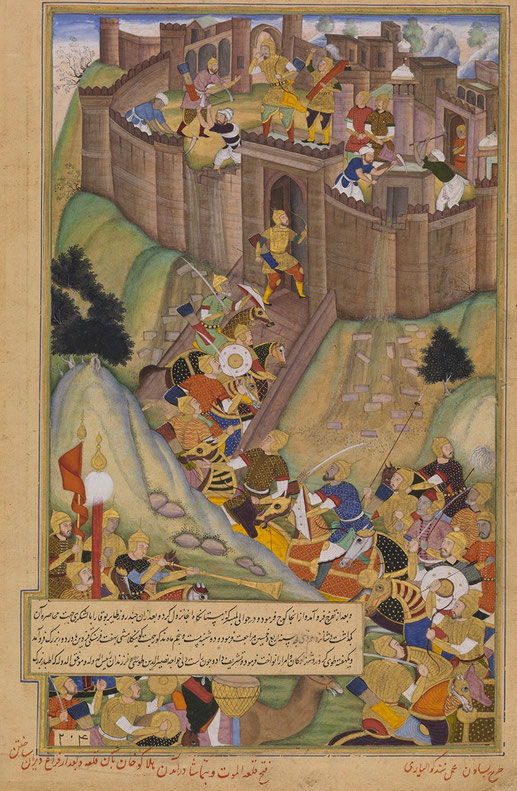
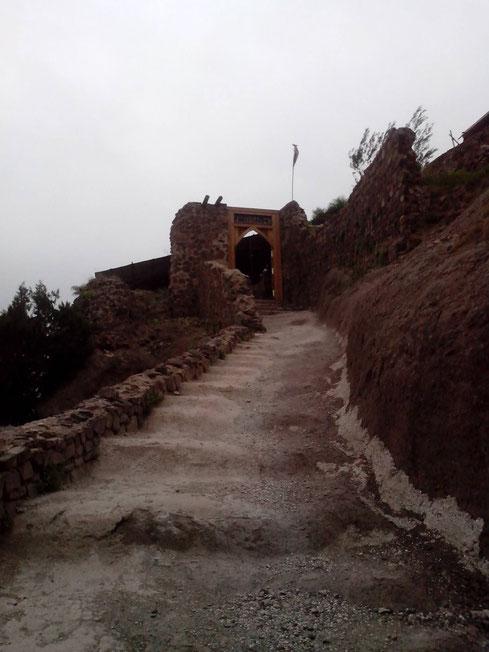
At the junction of the Talesh Mountains and the central Alborz, in a secluded valley that is almost forgotten by the outside world, lie the ruins of Alamut Castle—the last witnesses to the greatest secret in history. At an altitude of 2,163 meters, the mountain fortress was for a long time an ancient hotbed of secrets and intrigues of a mad genius. For centuries, the inhabitants of Alamut determined the destinies of empires and instilled fear in the hearts of rulers.
The name Alamut comes from an ancient Persian king who followed a huge eagle while hunting. The bird landed on the peak of a hard-to-reach mountain. The king took this as a good omen and, understanding the strategic value of the location, built a castle there, naming it Alamut, which means "Eagle's Nest."
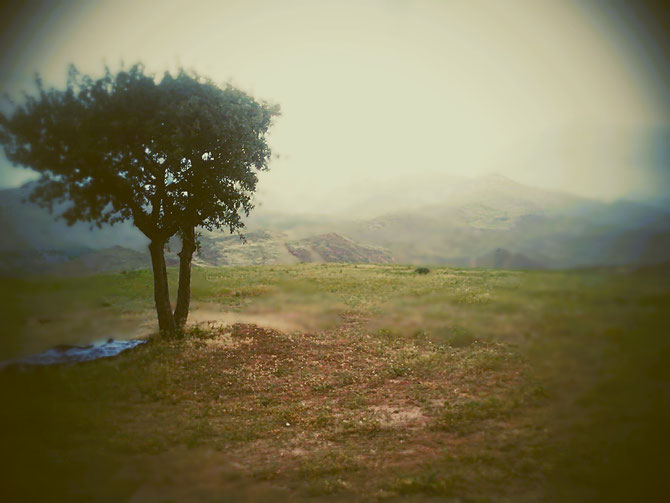
Approximately two centuries after the castle was founded, the young Hassan-i Sabbah stumbled upon it. He was an Ismaili Shiite and was fascinated by esotericism. The Seljuk Empire, which ruled at the time, did not share these interests and subjected the adherents of this branch of Islam to constant persecution. For the next two years, Hassan hid in the valley from the authorities, persuading locals to seek work in the castle. As soon as he penetrated the fortress, he declared it his own and captured it without shedding a single drop of blood.
Having conquered the castle, Hassan rebelled against the Seljuks. He built more defenses and improved crop irrigation. Inside, a giant library and a center for the study of mathematics, philosophy, astronomy, and alchemy were established. Within a few years, dozens of similar fortresses were built in remote areas of northern Iran. Thus, he created his own independent state, where he preached exceptionally strict laws and compelled all subjects to severe asceticism, which consisted of deliberate self-restraint, self-sacrifice, and the fulfillment of difficult vows, sometimes including self-torture. He was one of the first to practice the theory of individual terror: his followers, who could skillfully hide and melt into the crowd, killed instantly.
Hassan lived in the fortress for 34 years and never left it during that entire time. He was married, had children, but was a hermit by nature. Arab biographers claimed he lived strictly according to the law and harshly punished those who violated them. For example, he ordered the execution of one of his sons after catching him drinking wine. He sentenced another to death, suspecting him of being involved in the murder of a righteous man. His followers saw such unwavering consistency in his actions and were devoted wholeheartedly—they became his eyes and ears, reporting everything that happened outside the castle walls. He instilled fear with his unpredictability. While former preachers usually went from town to town and preached secretly, he sat in his impregnable fortress and openly defied everyone. Those who went to Alamut became unsubordinate to earthly rulers, and Hassan himself took care of the heavenly ones.
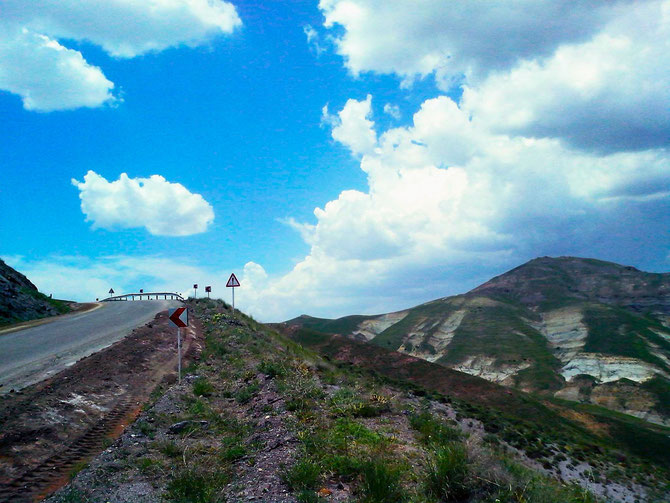
We were driving up to the castle along the smooth mountain road. The air was filled with the aroma of herbs. New lands opened up before us. After parking the car in the nearest small village, we hurried toward the ruins of the fortress. Suddenly, we met two tall Europeans with backpacks. They were animatedly discussing something while walking down the road, followed by local children who were ringing behind them, eagerly peering into the faces of the foreigners.
At the very foot of the mountain, a local guy met us and clarified where we had arrived from. He was gathering information to later report to state authorities about the tourists. And now, Ukraine was noted on his list.
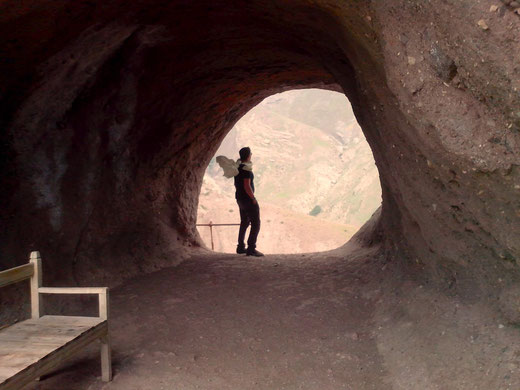

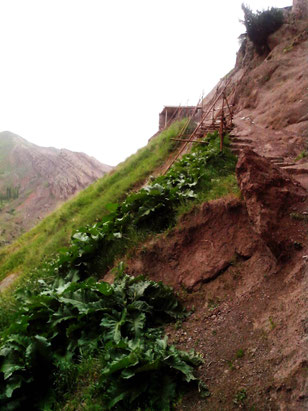
We came right up to the mountain cliff, over 200 meters high. A difficult task lay ahead of us: we had to climb to the very top via not-so-reliable steps. After making halfway, we paused in a small stone recess, which offered a breathtaking view. The wind whistled in our ears and amplified the excitement of what we saw. According to one legend, during the sermons of the Old Man of the Mountains, his followers smoked hashish and vividly imagined the paradise promised to them. It became clear that creating the illusion was not so difficult—one merely had to open their eyes and enjoy the horizon.
We continued climbing the mountain path. A cold wind blew in our faces, forcing us to look back. And then the last obstacle: an iron ladder leading to the very top. This trembling ladder, leaning against the stone wall, was doing a "twerk" right above the abyss. Looking at each other, we made a unanimous decision—not to climb! Realizing the danger, we slowly began to descend. The main laboratory of scientists, mages, and mystics remained unexplored. The place gave off the aftertaste of a terrible secret. It was a journey into an unknown past that changed the future.


Write a comment