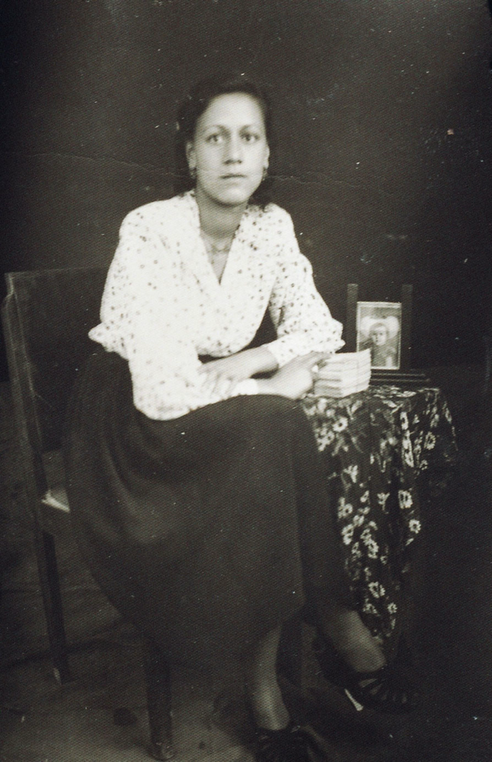
In the city of Arak, Zinat met Kazem Tehrani. He instantly fell in love with the talented young woman whose courage and passion for photography captivated him from the very first moment. At the time, Kazem worked in construction, but meeting Zinat changed the course of his life forever. He left his profession behind and devoted himself to the art of photography alongside her.
In 1950, the couple moved to Tehran. In the heart of the capital, Kazem opened Tehrani Photo Studiofor the woman he loved—a place that would become much more than a family business. It became a symbol of their love. There was only one thing Kazem truly wanted: to spend every day by Zinat’s side. Throughout his life, he dedicated himself to two great loves—black-and-white photography and the woman who inspired it.
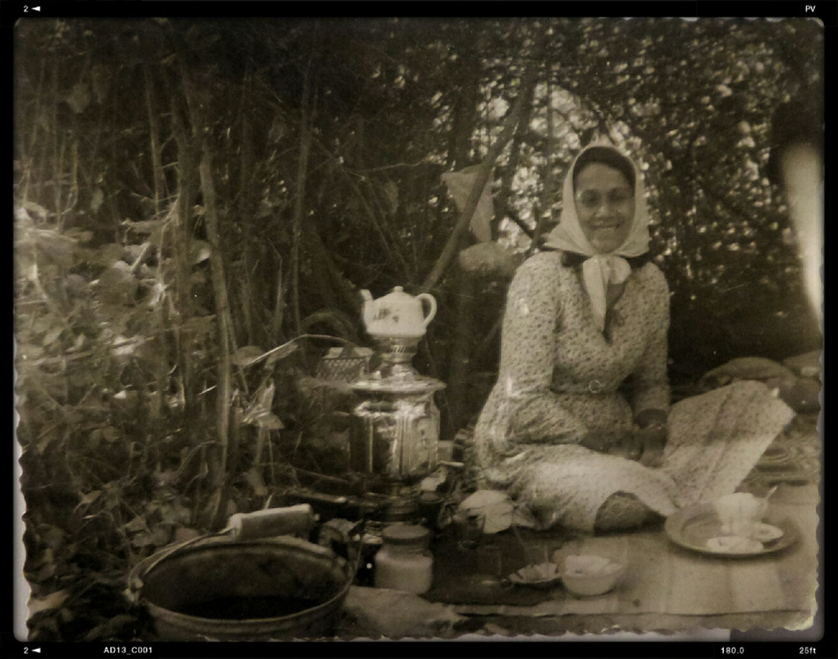
From that day on, Zinat’s official photographer’s identification card hung at the entrance to the studio for nearly seventy years, quietly welcoming every visitor like a silent guardian of the family’s story. One day, it welcomed me as well.
The studio’s windows overlooked one of Tehran’s busiest and most beautiful streets. Next door was a doctor’s office, while inside the studio there was almost always a steady stream of visitors. Zinat was well known throughout the city. Her regular clients were affluent women from northern Tehran who trusted her to capture the most important moments of their lives.
She photographed family portraits, weddings, and social gatherings. Above all, she loved creating portraits in which every person looked both beautiful and natural. It required remarkable skill—to shape the light, find the perfect angle, and capture the unique mood of every face. For Zinat, the camera was never just a tool. It became a delicate boundary between reality and the world she created through her lens.
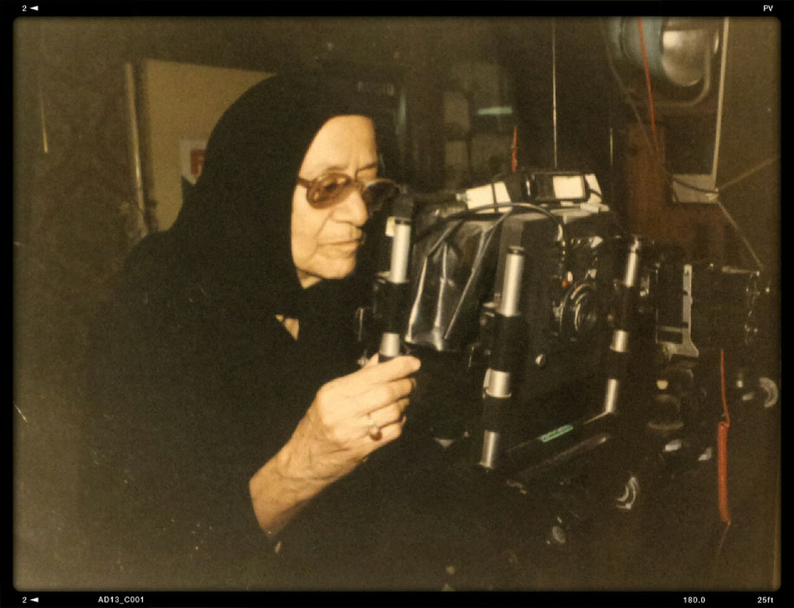
The years passed. Her eyesight gradually faded until one day she could no longer work. Time—the very thing she had spent her life trying to preserve with the click of a shutter—had finally caught up with her.
Zinat Balouti Tabrizi passed away at the age of seventy-six.
Today, the family’s archive carefully preserves photographs dating back to 1943. Her grandson, Ali Tehrani, is the guardian of this priceless collection. Sadly, a significant portion of the archive was destroyed during the Islamic Revolution of 1979. Negatives depicting the Shah, photographs of women without head coverings, and artistic nude photography were all banned and subsequently destroyed.
Ali represents the fourth generation of his family’s photographic legacy. Like his great-grandfather Abdullahan, he has a deep love for music and plays a traditional musical instrument. Yet photography remains the true calling of his life.
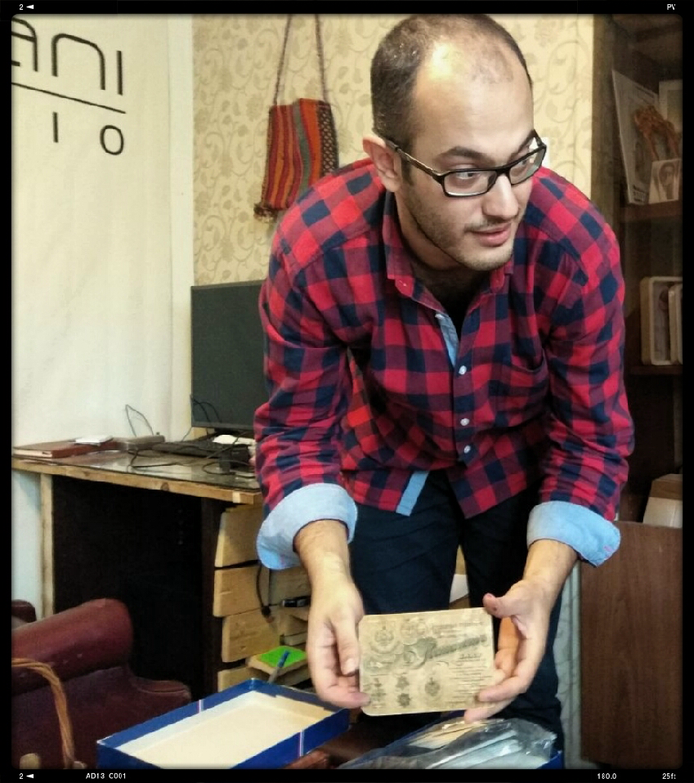
Today, Ali and his warm-hearted assistant work in the very studio his grandfather once opened so he could spend more time with his beloved wife. Zinat’s camera now rests quietly in the corner. It no longer captures images; instead, it has become a museum piece—a silent witness to an extraordinary era.
Over the decades, central Tehran has changed dramatically. Once an elegant and prestigious neighborhood, it has gradually become a district of workshops and laborers. During the day, its streets roar with an endless stream of motorcycles. By evening, they become nearly deserted and feel increasingly unsafe.
Despite these challenges and the rise of social media, Ali refuses to let the family business disappear. It is not easy for a traditional photo studio to survive in today’s digital world, yet people still come—not only for photographs, but for memories.
Every image created within these walls continues the story that Zinat began so many decades ago. It feels as though a part of her soul still lingers here, among the vintage cameras, yellowed negatives, and the unmistakable scent of old archival paper.
His love for his grandmother and his pride in her legacy as Iran’s first female photographer inspire Ali to preserve her life’s work. Today, he is carefully cataloguing thousands of black-and-white photographs while preparing an exhibition that will, for the first time, share with the world the remarkable story of a family that has devoted four generations to the art of photography.