
Love is like the sea.
Its vastness knows no shores.
Give it all your blood and soul—
There is no other measure here.
— Hafez
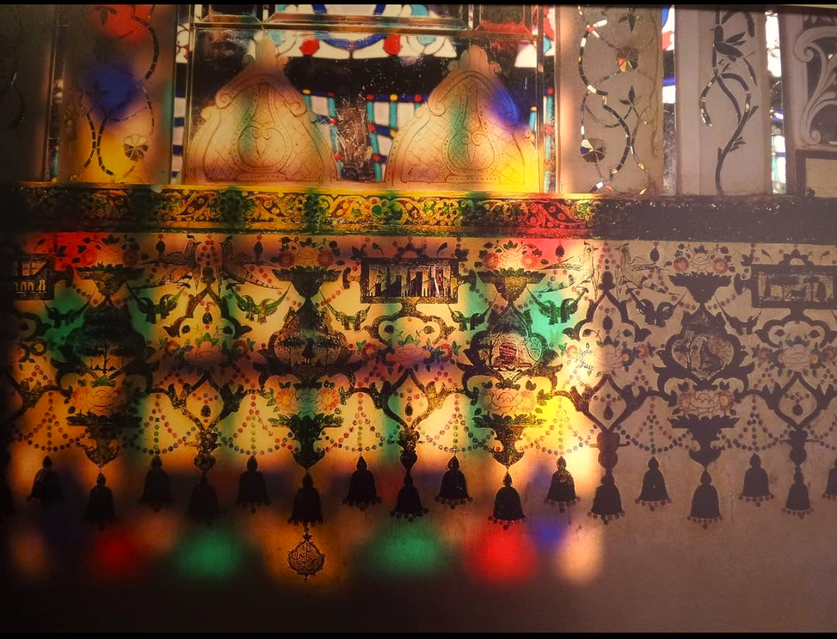
Every new journey through Iran changed me. At first, I was absolutely convinced that I had come to live in an old country suffocated by sanctions because of nuclear weapons—a land wrapped in a large black hijab, where everyone only prays five times a day and sees nothing beyond shopping malls and mosques. But soon it became clear that all one had to do was look closely and begin to travel to shatter even more stereotypes shaped by news headlines.
The next trip was Shiraz. It was written about by Yesenin in his Persian Motifs, and sung by Hafez.
The city lies in Fars Province, the historical homeland of the Persians and the Persian language. This is where Iranian statehood was born.
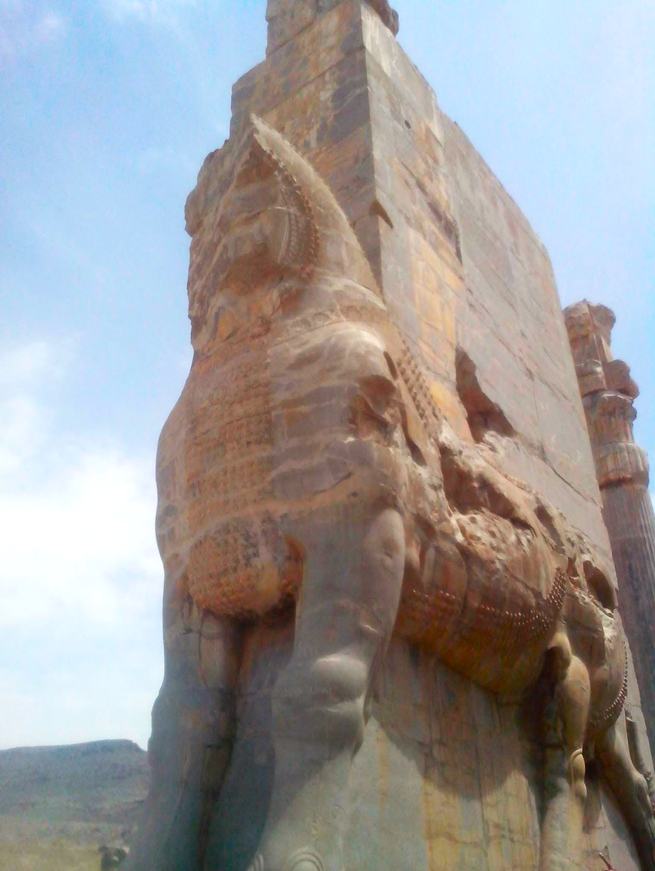
The ancient Greeks called the country Persia, and after them other European peoples followed suit, transferring the name of the historical region of Fars—Parsuaš. This name officially existed until 1935, when Reza Shah Pahlavi demanded that all other states call his country Iran. According to some sources, these changes were initiated by the Iranian ambassador to Germany, who fell under Nazi influence. The Germans convinced him that the name Iran would emphasize the Aryan origin of its inhabitants. Some scholars condemned this decision, believing it severed the country’s connection with its glorious past. As a result, in 1959 the new shah, Mohammad Reza Pahlavi, announced that in international practice both names could be used in parallel.
I listen to what an airport employee is saying to my husband. It turns out there are no tickets for the nearest flight to Shiraz. Adjusting my expectations for the upcoming journey, I sit down on the gray metal chair and begin thinking about vacant seats, diligently sending my requests into the cosmos. Around me, large Iranian families cut through the space with enormous travel bags. Most likely, they were packed at home by caring wives, who put in everything essential—and, as always, a little extra. Once again, I receive a remark from a stern woman dressed in black because my trousers are slightly above the permitted length—the very same ones that once kept me out of a book fair. My husband explains to her that I am a foreigner and promises to tug them down a bit.
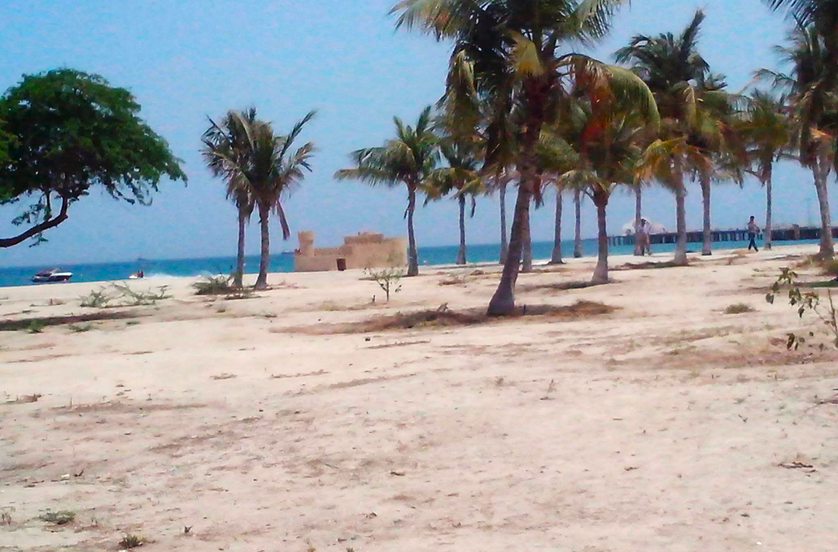
Finally, tickets are found, though we have to fly via Kish. This coral island in the Persian Gulf will surprise me later. For now, we only manage to ride along the softly white shoreline before flying on to Shiraz.
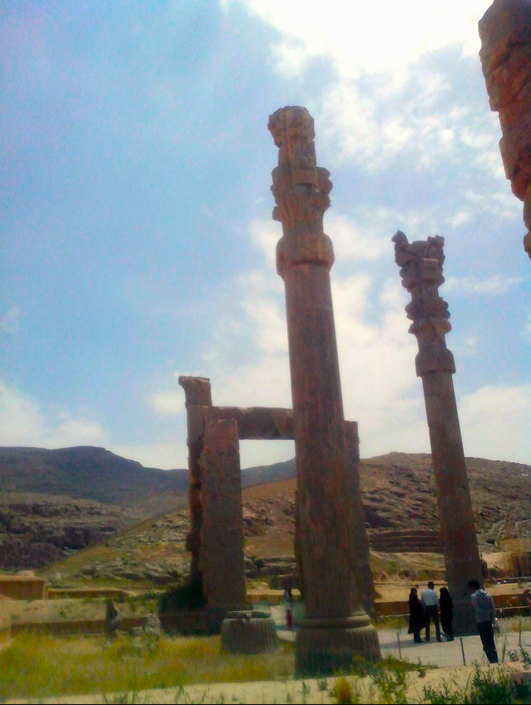
Iranians are very proud of their past. Even today, the winged supreme god Ahura Mazda can be seen on jewelry, dishes, T-shirts, on car rear windows, and even on the bodies of the truly devoted, in the form of tattoos. In Zoroastrianism, this primordial creator, dwelling in the infinite world, embodies wisdom.
I look around and try to imagine the city filled with life. In my mind I already hear the chirping of unfamiliar, rare birds; amid the silent air, clear streams of crystal water murmur, eagerly absorbed by the fruit trees of a paradisiacal garden. Everywhere reigns the unity of spirit so deeply revered among Zoroastrians. First good thoughts, then words, and only at the very end—actions: such is the message of the ancient religion. A wise king, sipping a divine intoxicating drink dedicated to Ahura Mazda, holds a goblet in one hand and with the other strokes his curly black beard, admiring the beauty of his women. Behind the stone wall, immortal soldiers guard his peace.
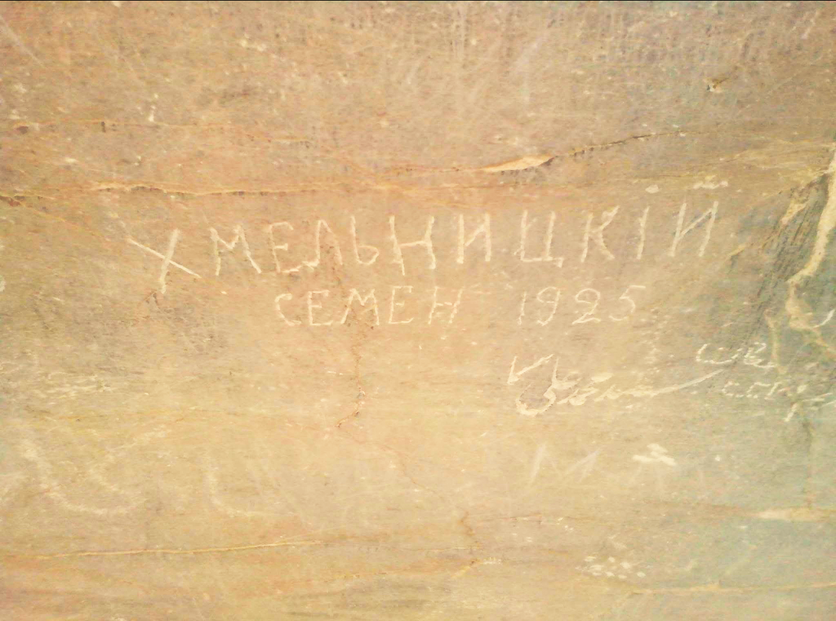
A scratched inscription in Ukrainian on the wall of Persepolis brings me back to our time. Semen Khmelnytsky committed an act of vandalism here in 1925, right on the Gate of All Nations, deciding to immortalize his name. Not a bad way to enter world history… Gathering my thoughts and returning to the Persians becomes difficult.

Write a comment