
We packed everything in just one day, and suddenly I found myself in the back of a taxi, silently saying farewell to Kyiv.
Festive Khreshchatyk street shimmered with evening lights, their reflections blurring across the rain-streaked window. A fine drizzle hung in the air as autumn slowly handed the baton over to winter.
Suddenly, my phone vibrated. An old friend must have sensed something, because she finally decided to call.
“Let’s go to Mariinsky Palace,” she suggested.
“I’m flying to Iran in an hour.”
“Why do you sound so sad? You like it there, don’t you?”
I paused.
That I like Iran, I share with only a few friends — mostly those closest to me. Every time I mention it to someone I barely know, an awkward silence usually follows. Then comes a careful, searching look, as if the person is trying to figure out where the catch might be.
And yet, Iran has long become something much more to me than just a country.
In another life, before I met my husband, I worked in a recording studio. I was friends with celebrities, attended concerts, studied public relations, and diligently built connections in that world.
One day, a blogger friend told me about an interview with a well-known it-girl from Kyiv. She was beautiful, stylish, and a successful businesswoman. But what surprised me most was something else: she spoke French fluently and was passionately studying Persian.
When asked why Persian of all languages, she replied:
“It all started with the film Tehran 43.”
After this interview, I watched the film immediately. To be honest, it didn’t inspire me to start learning Persian on the spot. Later, I even discovered that most of it had been filmed in Azerbaijan rather than Iran.
Still, the idea of speaking a rare and mysterious language seemed incredibly appealing.
Years passed. Events unfolded in my life that completely changed its direction.
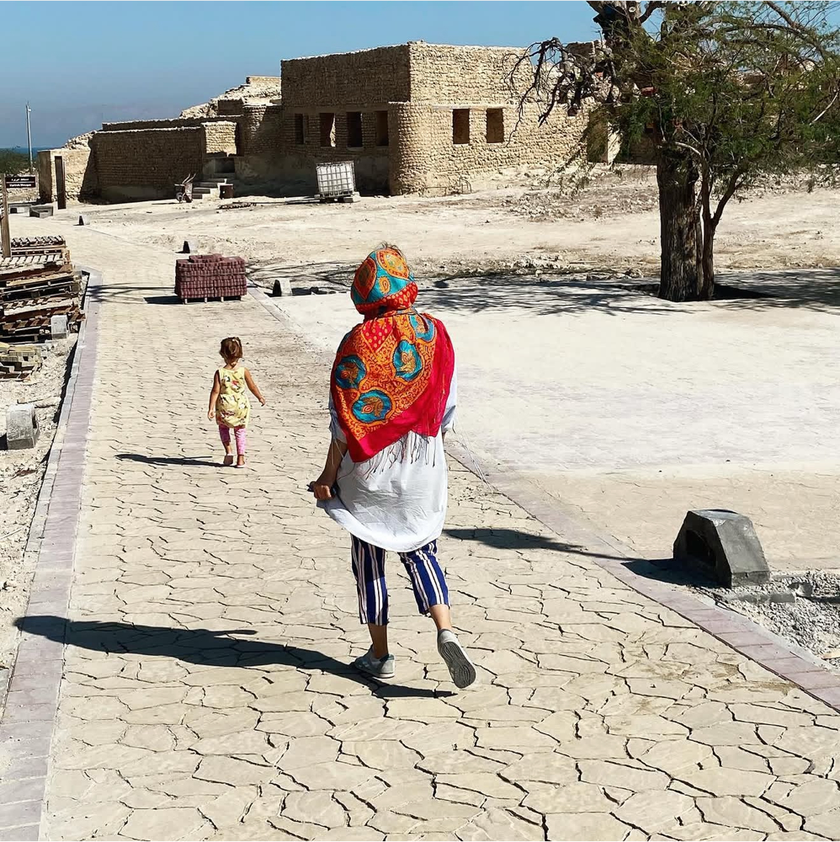
And now, here I am, living in Iran and speaking Persian every day.
Sometimes it amazes me how a story overheard by chance can eventually become part of one’s own destiny.
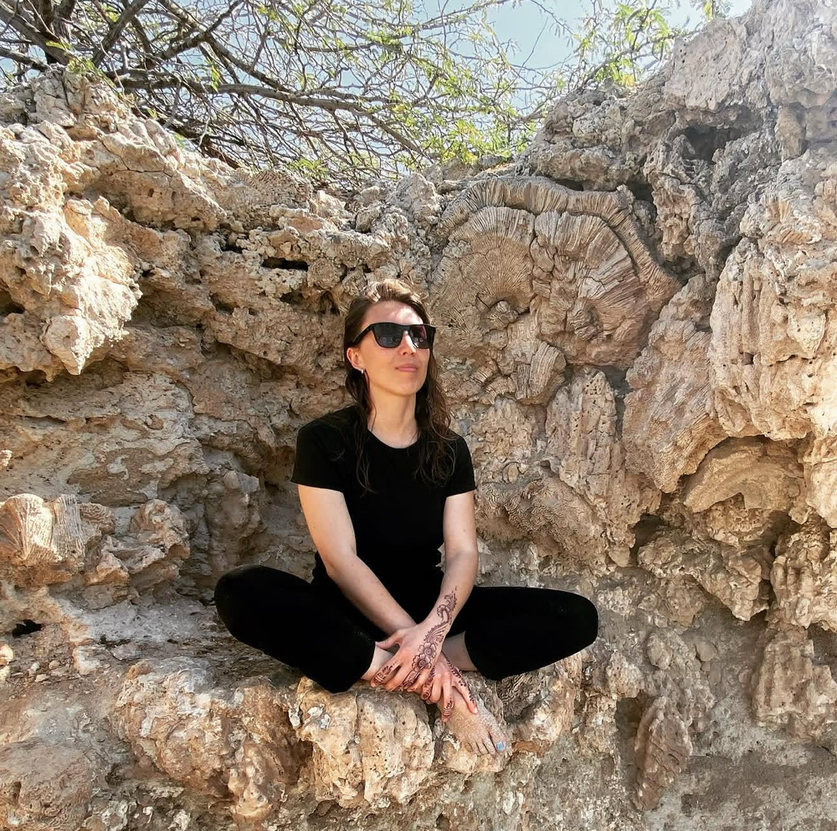
For centuries, Persian culture shaped the intellectual and cultural life of the Middle East and Central Asia. Persian was the language of poets, philosophers, and scholars. Here, every stone seems to breathe history.
Each time I come here, I discover a new Iran, and in return, Iran reveals something new within me.
I make mistakes often. Sometimes uncertainty gets in my way. Sometimes I feel afraid.
Yet despite my doubts and fears, I try to move through the world with an open heart, still capable of falling in love with what I find.
The Sufi mystic Shams al-Din Tabrizi once wrote:
“Everyone wants a beautiful rose, a beautiful night, and a good friend. But what truly matters is learning to love the rose together with its thorns, the night together with its mysteries, and a friend together with all of their imperfections.”
Perhaps that is exactly how I love this country—with all its thorns.
And every now and then, it rewards me with genuine treasures.
One of those treasures was Kish Island, where we happened to spend several winters.
I am sitting in a soft armchair in our rented apartment on the island, my knees drawn up to my chest, looking at my daughter’s toy dolphin. In my imagination, it has long since slipped beneath the sofa and set off to explore the endless depths of the sea.
The sun filtered through the heavy curtains, pleasantly warming my left ear. Outside, cats were crying desperately in the streets—it was another Arabian spring.
Just as mirages deceive weary travelers in the desert, this island gave me an almost illusory sense of home. There is something remarkably peaceful about this place. Peaceful in the way that life once felt in the cloudless days of early childhood.
Iranians love coming here. And somehow, everyone seems a little happier on Kish.
My husband’s voice pulls me out of my thoughts. I leave the comfort of the armchair and return to the familiar bustle of everyday life. The dolphin sails back to its place on the shelf among my daughter’s other toys.
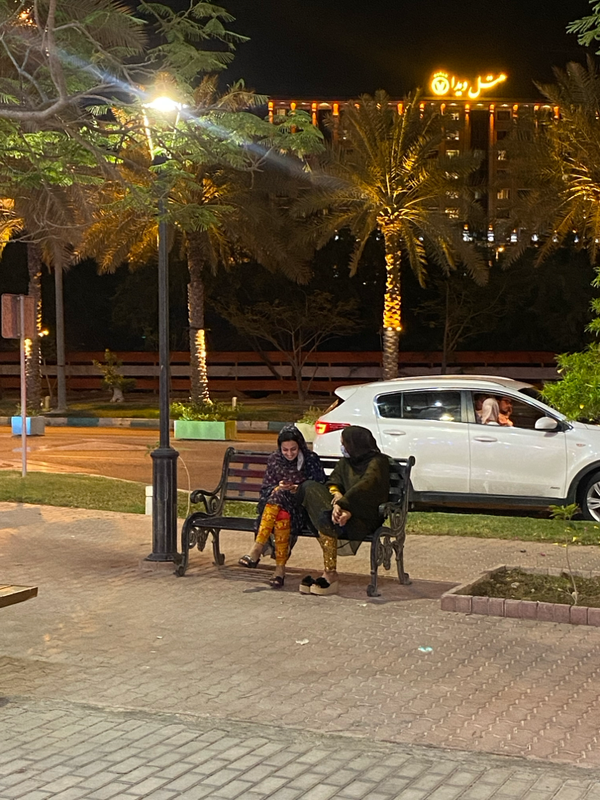
One day, we were driving from Kish Island back to Tehran. It was during that journey that I saw southern Iran for the first time.
It is a part of the country that seems to have been forgotten by the world’s guidebooks.
Finding detailed information about its geography, culture, or traditions is not easy. Here, the only way to understand the region is to travel through it and see it with your own eyes.
Various peoples live along the shores of the Persian Gulf, but Arabs and Baluch communities are especially numerous. The harsh climate and demanding living conditions have shaped the character of both the land and its people.
Along the road, we occasionally spotted yakhchals—ancient Persian refrigerators.
A yakhchal is a true marvel of engineering. Consisting of a domed structure above ground and a deep underground storage chamber, it was designed to preserve ice and food for centuries, even in the scorching heat of the desert.
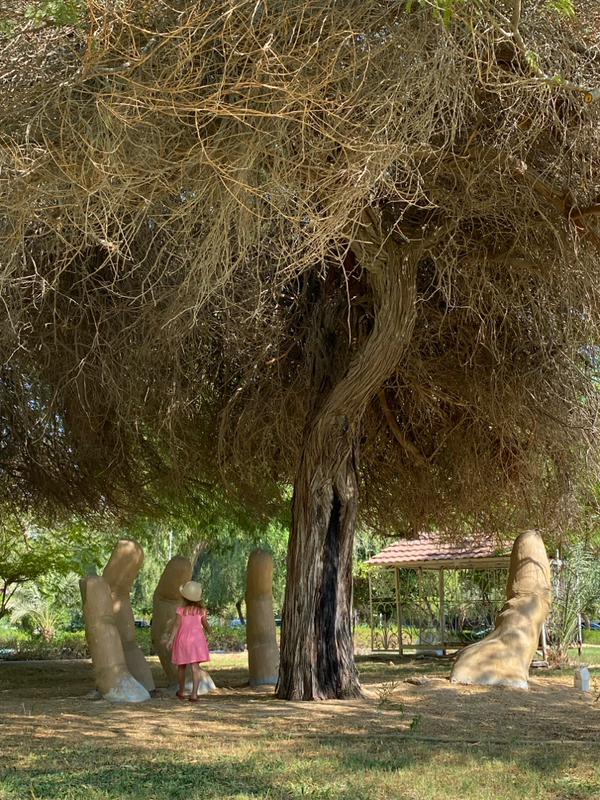
In the south, children begin helping their families from an early age. Boys learn responsibility quickly. And as soon as their feet can reach the pedals, many climb onto motorcycles. Here, a motorbike is not only a means of transportation but also a symbol of growing up.
Endless palm groves stretch along the roads. Date palms are especially abundant, though banana plantations can also be found.
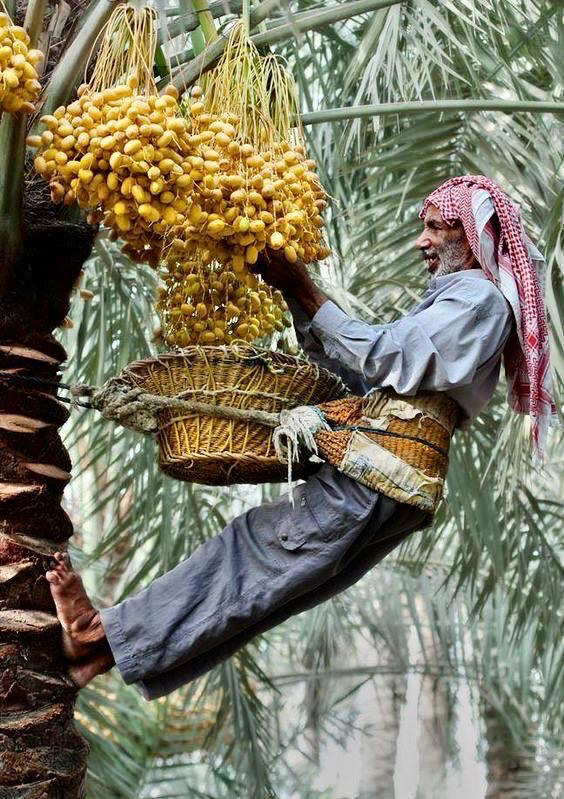
People here treat palm trees almost as they would people—with respect and care. The crown of the tree, where new leaves emerge and dates begin to ripen, is called the palm’s head.
One day, my husband told me about the difficult and dangerous work of date harvesters.
Armed with nothing more than a rope belt and a sharp sickle, they climb palm trees as high as several floors. At the very top, among thorny fronds and heavy clusters of fruit, their work demands not only skill but genuine courage.
Yet the greatest danger comes from snakes hiding among the dense leaves.
One harvester climbed to the top of a palm tree to gather dates and unexpectedly came face to face with a snake. It struck instantly, biting his hand.
Realizing that every second mattered and that the venom was rapidly spreading through his body, the man made a terrible decision. With his sickle, he severed the bitten hand.
That split-second act of determination saved his life, though it cost him his arm.
Southern Iran is truly a kingdom of the sun.
In the midday heat, it feels as though life itself slows down. People move unhurriedly, conserving their energy, while the air shimmers beneath the relentless sun.
But the most beautiful thing here is nature.
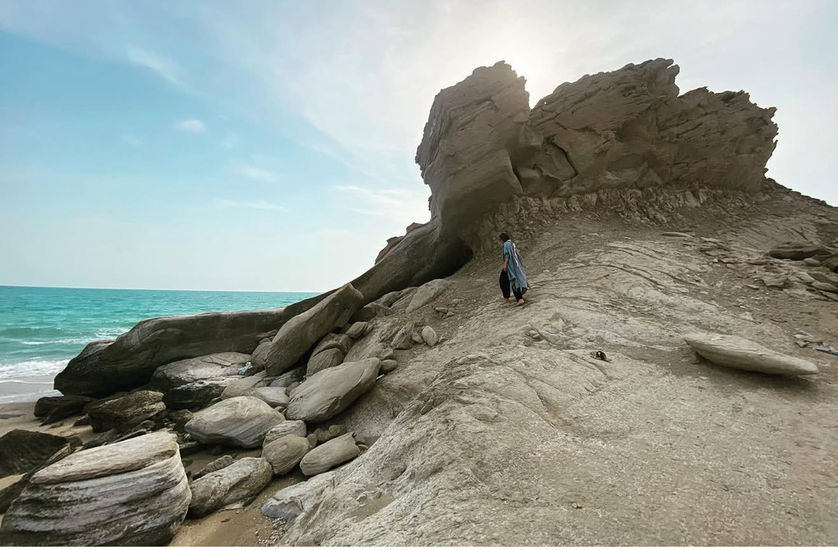
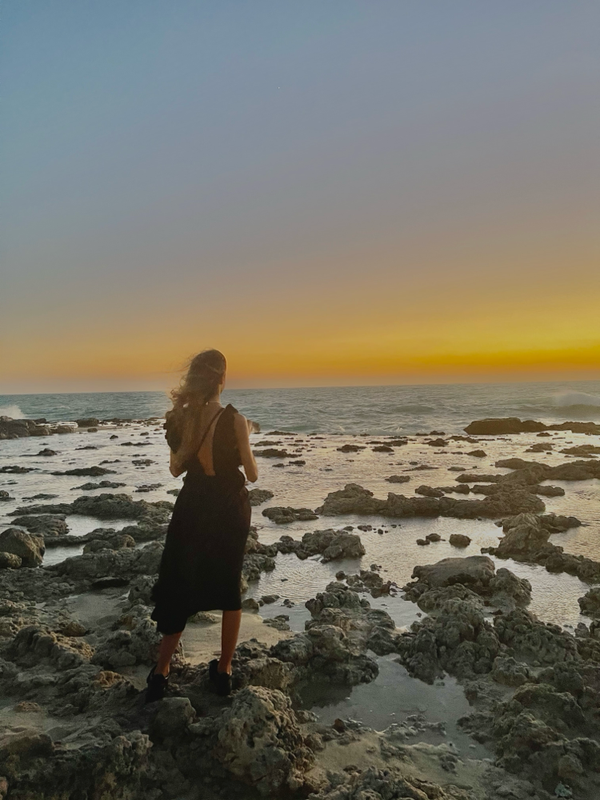
It is here that the Persian Gulf meets the mountains of stone.
My daughter called them the chocolate mountains.
For centuries, water, wind, and sand have sculpted these landscapes into an extraordinary gallery of natural stone formations, each one appearing to be a work of art in its own right.

Write a comment