
After the devastating loss of his two sons, Abdollah Khan decided to begin a new life in another city. A change of place was meant to give him the strength to move forward and not come to a standstill, sparing him from constantly reliving the bitterness of his past. Zinat became his light — the one who illuminated every next step of this dreamer’s journey. This time, the city was Arak, where Abdollah Khan once again opened his own photography studio.
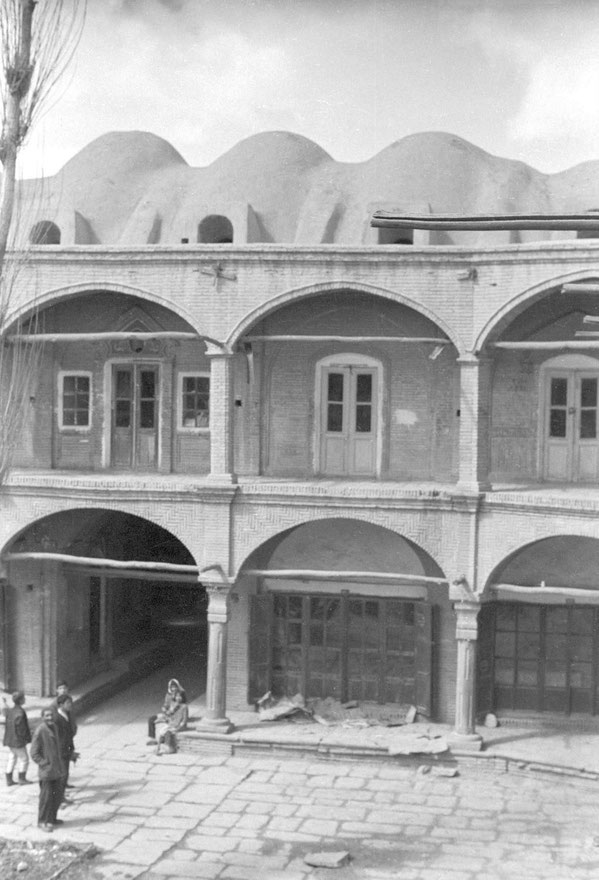
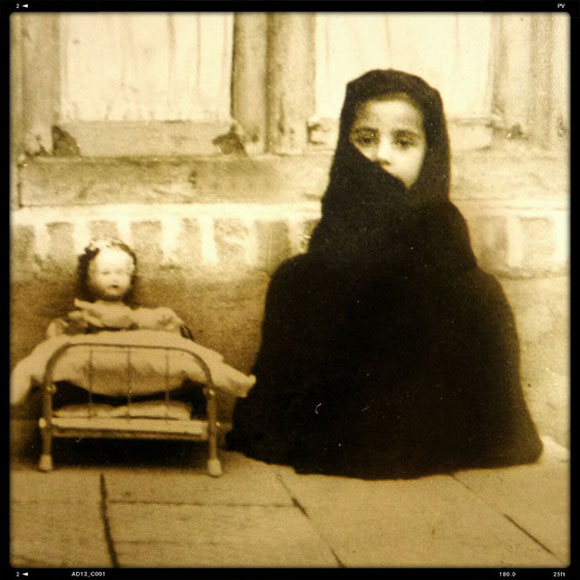
Little Zinat began attending primary school and later continued her studies in secondary school. At the same time, her father introduced her to the fundamentals of photographic art. He was always her greatest source of inspiration, and she was deeply proud of him. Every day, Zinat reminded both her parents how much she loved them.
It came as no surprise that by the eighth grade, Zinat was already assisting Abdollah Khan in his photographic studio. Alongside her, many students worked with her father — young people who admired him greatly. They often came not only to work, but simply to visit, drawn by the warmth and depth of conversation found in his presence.
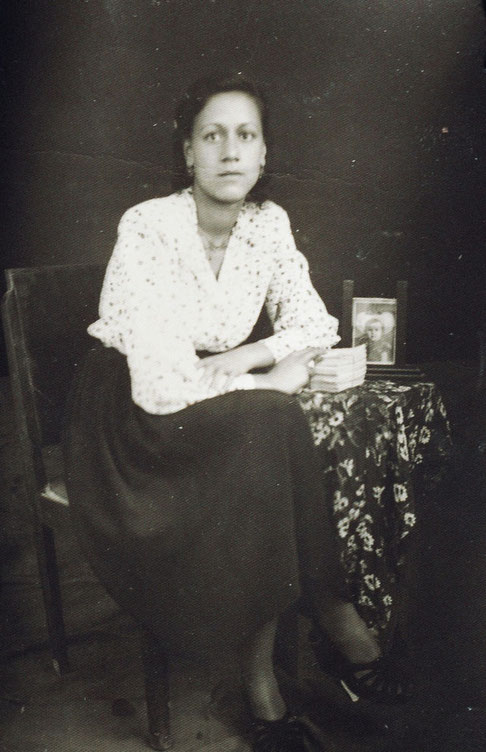
While his wife and daughter were working in Arak, Abdollah Khan went on to establish a network of photography studios across Iran: in Birjand, once again in Mashhad, in Tehran, Saveh, and Golpayegan. He devoted all his energy and strength entirely to his work. At last, his services became widely sought after. Among his most renowned photographs were portraits of Gholam Reza Takhti — an Olympic champion and medallist in freestyle wrestling, revered in Iran as a national hero.
During the reign of Reza Pahlavi, a series of reforms were introduced to improve the social status of Iranian women. They were granted the right to pursue higher education, with state funding allocated for studies abroad and, later, within Tehran itself. Women also gained the right to choose their own professions and enter the workforce.
At the same time, Iranian dress was modernized. By government decree, traditional garments were abolished and the wearing of Muslim attire was strictly limited. Men — particularly government officials and politicians — were required to adopt European-style clothing. The so-called “Pahlavi hat,” a Western-style cap with a visor, became widely worn.
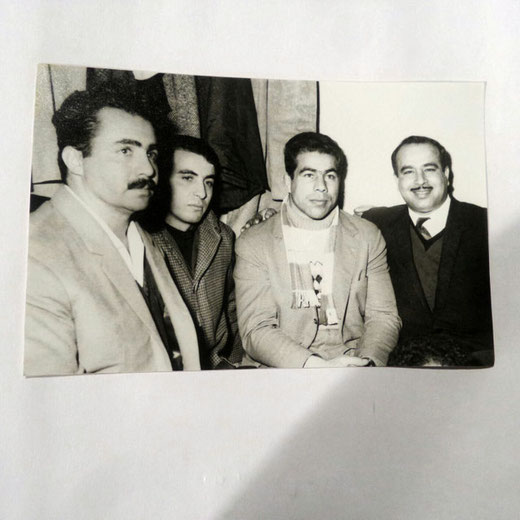
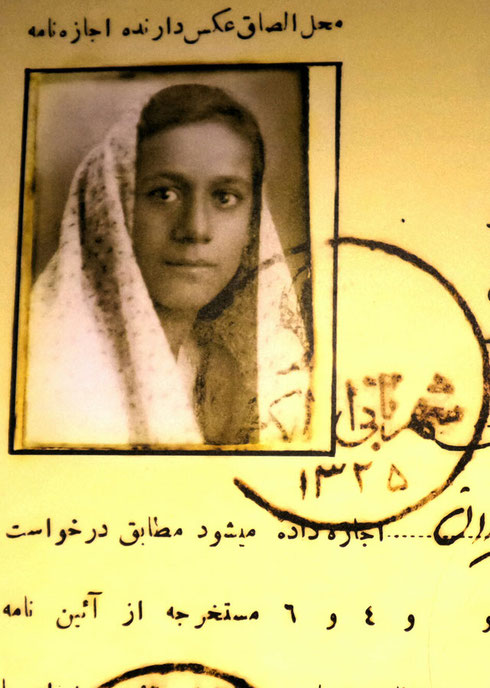
It was during this period that Zinat received her official certification. She became not only the first woman permitted to work as a professional photographer, but also the first woman to photograph the Iranian government.
The chador, long associated in Persian culture with notions of female honour, was declared illegal. Nevertheless, many people — especially among the older generation — continued to observe religious customs.
Zinat soon became widely known among those for whom the gender of a professional was of great importance. For instance, during wedding ceremonies in religious families, male photographers were not allowed to enter the women’s quarters of the household. Such celebrations were traditionally held in two separate homes — that of the groom and that of the bride.
Zinat grew into a true Persian beauty, raised with gratitude in her heart toward her parents and with unwavering certainty about the calling she would follow throughout her life.

Write a comment