
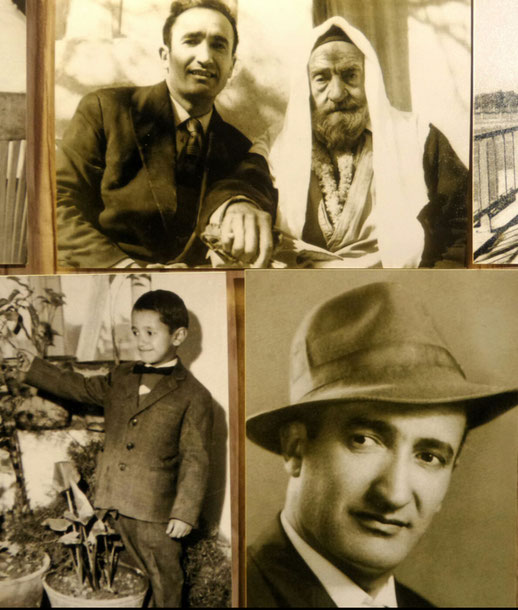
Abdullahan once again tried to begin a new life. This time — in Tehran, the greenest and most prosperous capital of Persia. Things began to improve, if only slightly. The dreamer found work as a translator at a foreign embassy. He worked almost every day, and in the evenings he visited a friend’s photo studio and continued to play the dutar outdoors, surrounded by nature. In photographs, everything always seemed fine, and music helped release the emotions that had long held him captive. Little by little, hope returned to him.
One day, while visiting his friend’s workshop, he saw her. She was speaking with his friend and putting in the bag a roll of freshly purchased film from the display case. Of average height, with dark hair and green eyes. It was into those eyes that Abdullahan happened to look — and instantly wished he hadn’t. Something inside him jolted, like an electric shock, and he felt an urge to hide from that gaze. He understood at once: it was her.
That same evening, Abdullahan asked his friend everything about the girl. Her name was Ashraf. She worked unofficially as a photographer in the shah’s harem — a place accessible only to the chosen few.
From then on, Abdullahan waited patiently for her next visit to the studio and never missed an opportunity to stop by. Once again, hope was testing his endurance. And at last, he was rewarded.
What followed was a true creative union, filled with love. In time, Ashraf and Abdullahan married and moved east, to the city of Birjand. There, they welcomed two sons and our heroine — a daughter named Zinat.
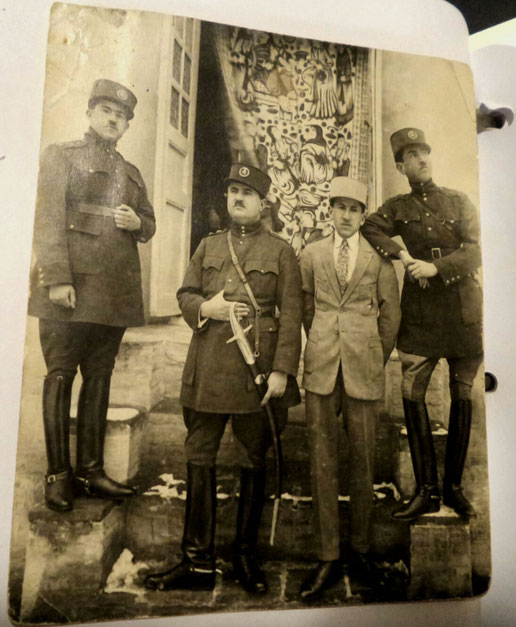
After the end of the First World War, Russia was no longer able to continue building the northern railway line in Persia, and almost all the Cossacks returned home. Thus, Grandfather Ismail lost contact with his friend, the commander.
With the support of former comrades from the Persian Cossack Division, in 1921 — amid political turmoil and foreign intervention — one of the most astute officers, Reza Pahlavi, entered Tehran by force. He was appointed military governor and commander-in-chief. On December 12, 1925, he ascended the throne. Reza Pahlavi immediately began strengthening and modernizing both the army and the country.
It was during this time that the dreamer-photographer Abdullahan began travelling with the shah through various provinces of Iran, photographing young men from cities and villages so they could receive military intelligence identification booklets. This work suited him well: he was travelling again, living a life rich in colour and movement. After every assignment, he returned home eagerly, to his family — the most important part of his life.
On this particular morning, Abdullahan awoke and went straight to the kitchen, where his beloved Ashraf was already preparing breakfast. He stepped closer, gently placed his hands on her back, and kissed the crown of her head. At that moment, their two sons and daughter ran into the room. They all embraced their father tightly — they had not seen him for nearly two weeks.
“Let’s have breakfast in the garden,” Ashraf suggested cheerfully.
Everyone agreed and helped carry the meal outside. While their mother prepared the tea, the father and children tried to herd an unruly rooster back behind the fence of its enclosure.
Ashraf sat down on a blanket on the porch, beside the cooling breakfast, and allowed herself to simply be present. There were almost no thoughts — only a deep sense of fullness and happiness. Suddenly, she jumped up and ran for the camera. She felt an urgent need to capture this moment.
“Don’t move — I’m taking a picture!” she called out.
In time, the two boys in that photograph would be the first to turn into memory: a cruel illness would claim their lives, and Zinat would remain the only child of Abdullahan and Ashraf.

Write a comment